
JTLC Conference 2026 on AI+ Education and the future of educator development
The JTLC Teaching and Learning Conference 2026 is hosted at Beijing University of Posts and Telecommunications (BUPT) on 15 May 2026. The conference, themed “AI+ Education: Transforming Educator Roles, Practices, and Professional Development”, brought together educators, education leaders and faculty development specialists to discuss how artificial intelligence is reshaping teaching, assessment and professional learning in higher education.
/filters:format(webp)/prod01/channel_164/school-of-electronic-engineering-and-computer-science/media/bupt/jtlc-images/1779143182038.jpeg)
The event, themed “AI+ Education: Transforming Educator Roles, Practices, and Professional Development”, focused on the opportunities and challenges brought by AI, including the changing role of educators, the development of AI competence, assessment design in the age of generative AI, and institutional strategies for supporting staff development.
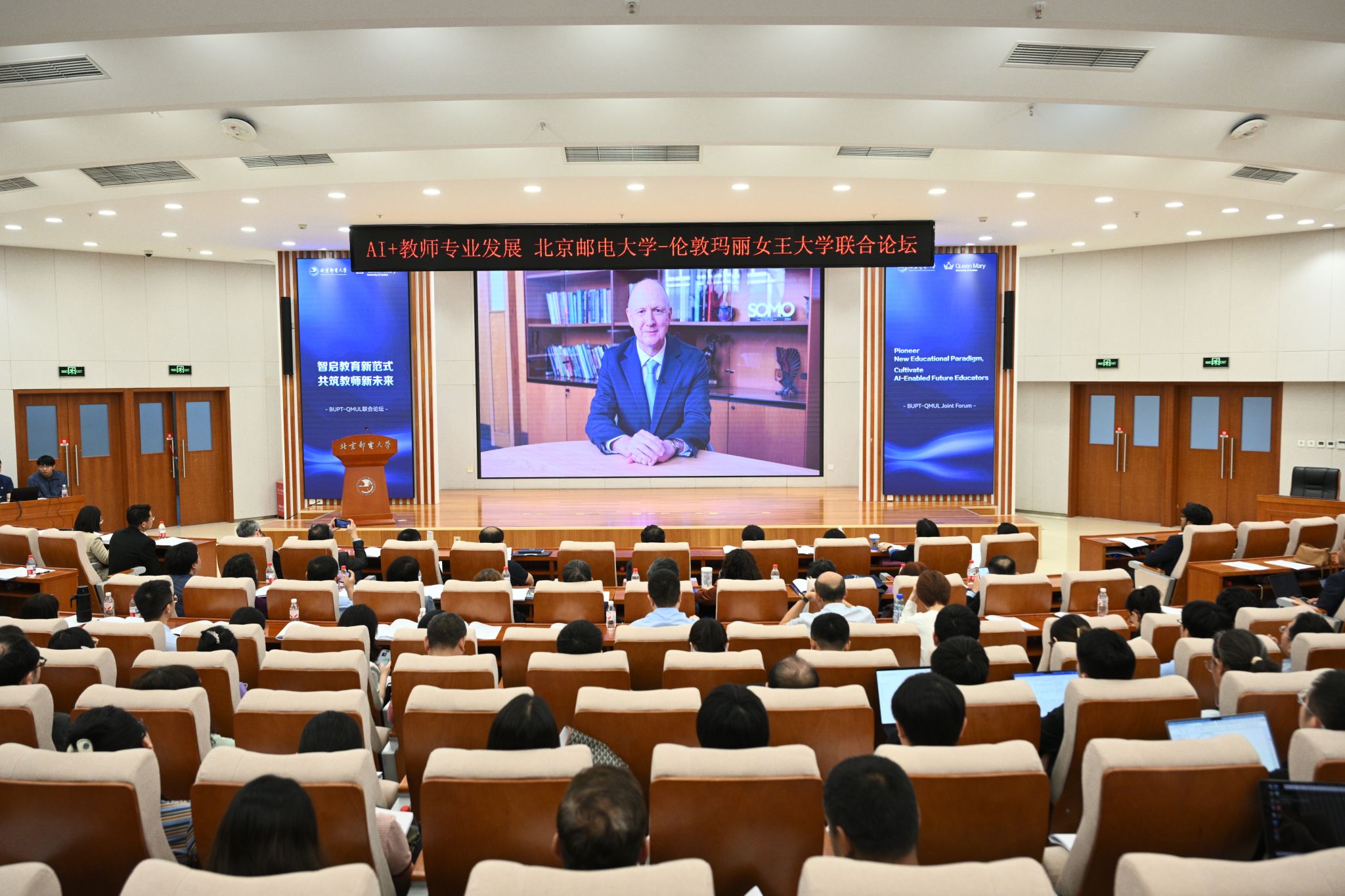
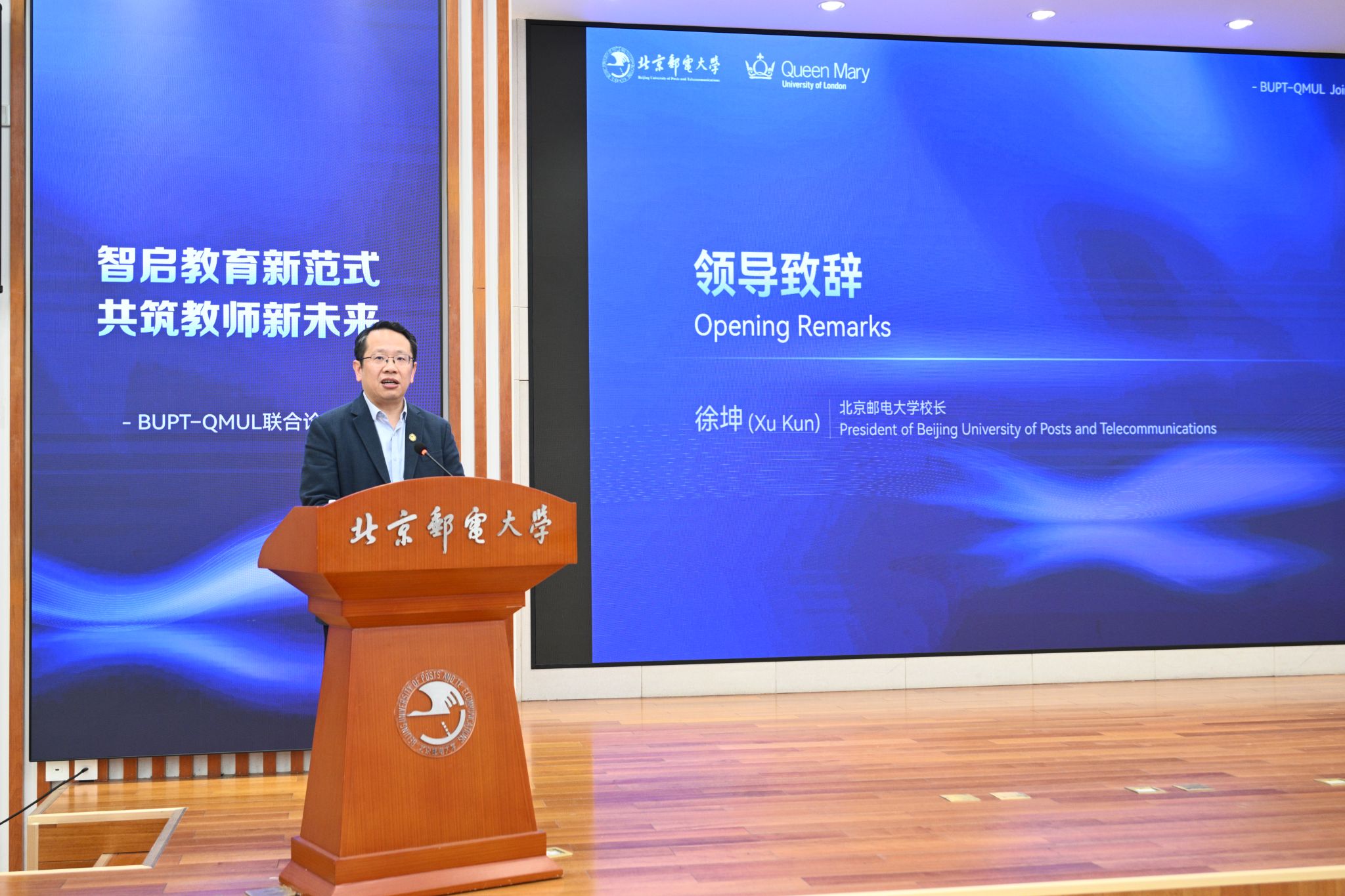 The conference opened with welcome addresses from Professor Xu Kun, President of BUPT, and Professor Colin Bailey CBE, FREng, President and Principal of Queen Mary University of London, who joined by video. The opening session also included the presentation of certificates of appointment to members of the Faculty Development Advisory Committee, marking a further step in strengthening collaboration around teaching development and educational innovation.
 The morning keynote session brought together speakers from leading institutions to examine the implications of AI for assessment and teaching practice. Professor Cecilia K. Y. Chan from the University of Hong Kong delivered a talk titled “AI-giarism Is Not the Problem: Designing AI-Resilient Assessment for Thinking”, highlighting the need to move beyond detection-led responses and design assessments that support meaningful learning. Zhang Sheng from Beijing Normal University discussed “Assessment Literacy in the age of AI”, while Robert Partridge, Executive Dean for Glasgow College Hainan at the University of Electronic Science and Technology of China, explored the question of whether educators can be “cautiously permissive” in their approach to AI.
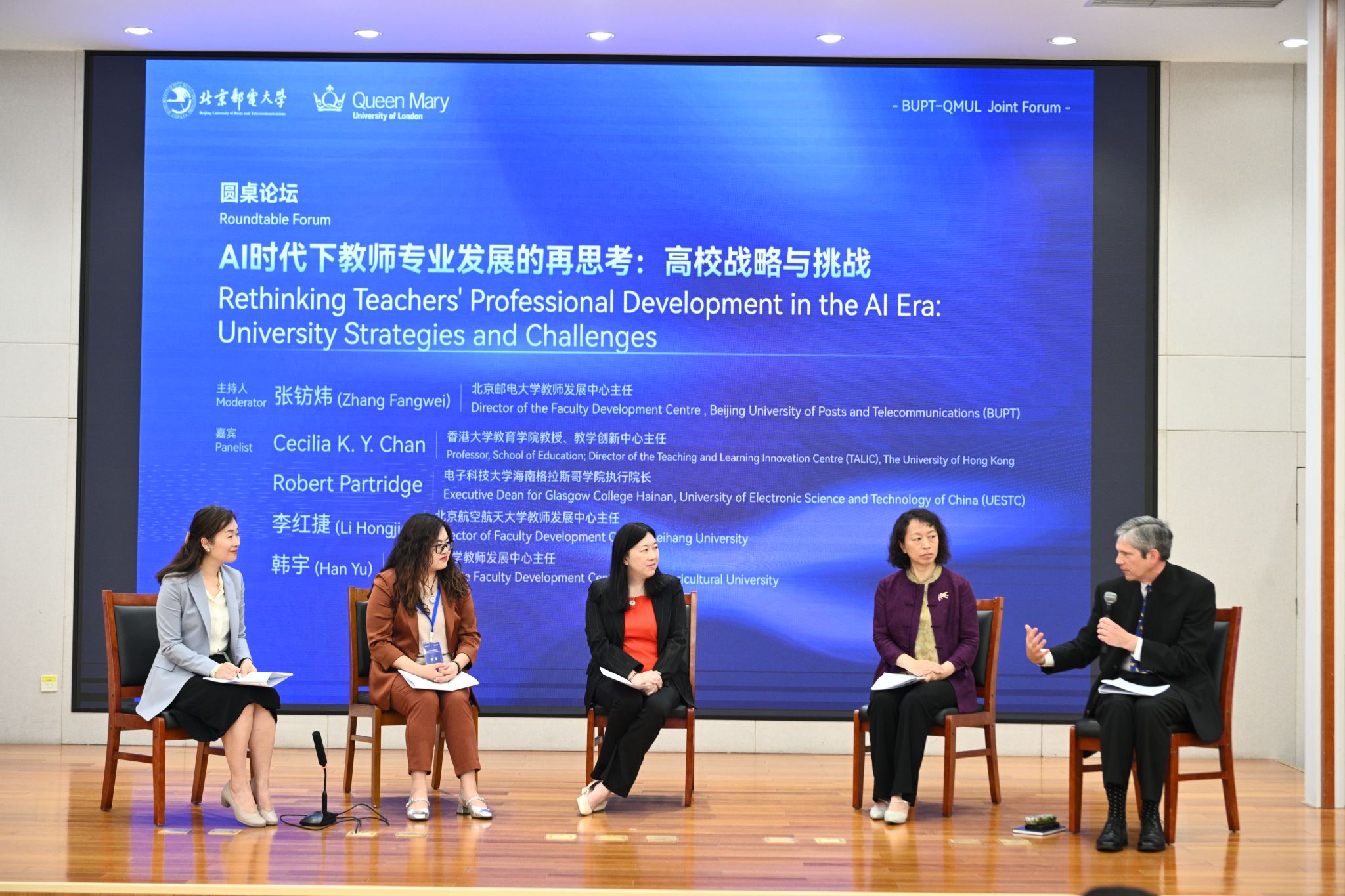 A panel discussion on “Rethinking Professional Development in the AI+ Era: Institutional Strategies and Challenges” followed the keynote talks. Chaired by Zhang Fangwei, Director of the Faculty Development Centre at BUPT, the panel considered how universities are redesigning professional development in response to AI-driven change. The discussion covered staff training opportunities, policy development, incentives for engagement, and the challenges of embedding AI into existing teaching and learning frameworks.
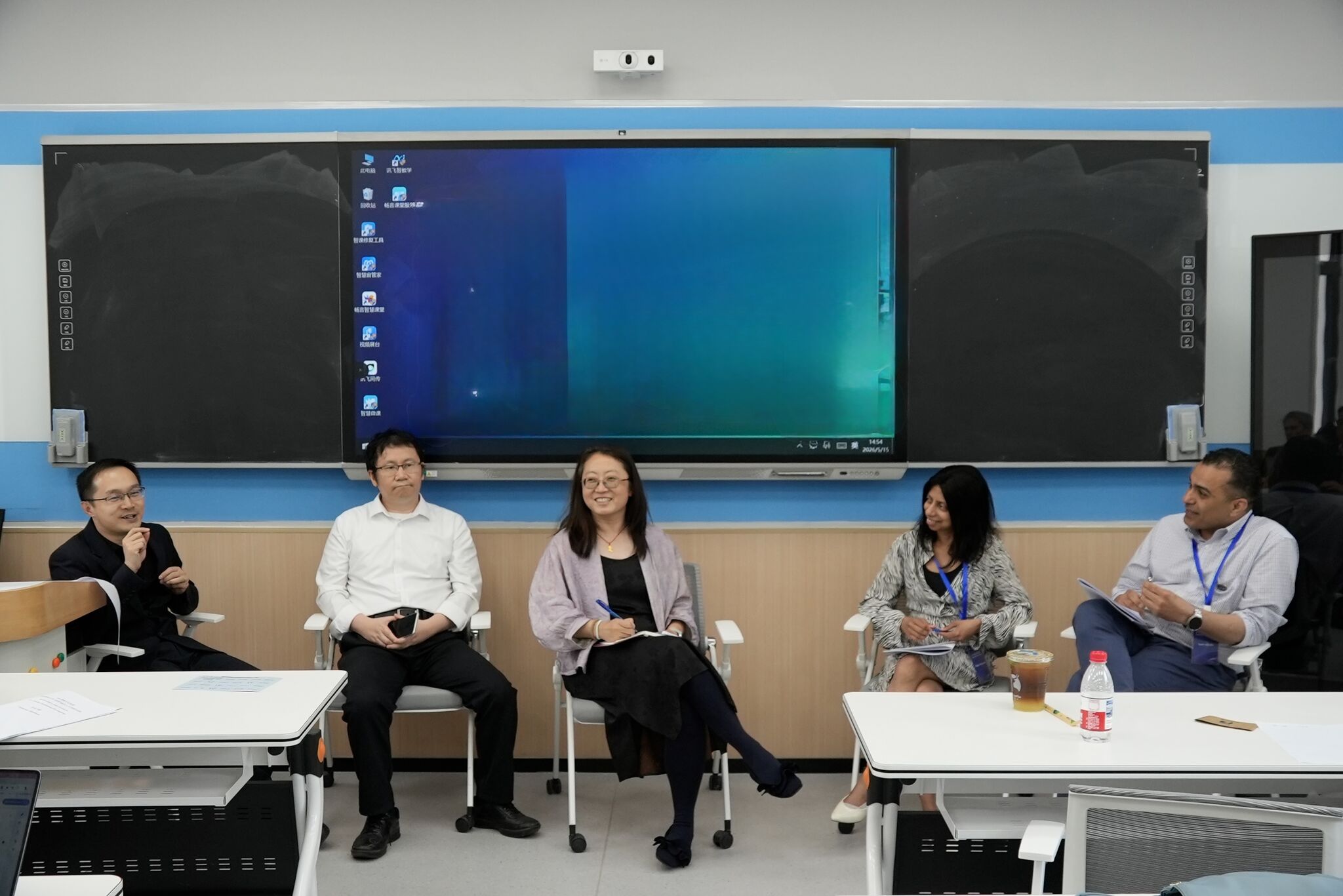 The afternoon programme continued with case studies on faculty teaching development systems and the reconstruction of educators’ professional skills as knowledge becomes increasingly externalised through AI. A second panel discussion, “Developing Future-Ready Engineering Educators: Roles, Identities and Practices”, focused on how the identities and practices of engineering educators are evolving in response to changing educational demands. The panel included representatives from BUPT and Queen Mary, including Dr Vindya Wijeratne, Director of Education for JP/JEI, and Dr Yasir Alfadhl, Director of Assessment and Quality for JP/JEI.
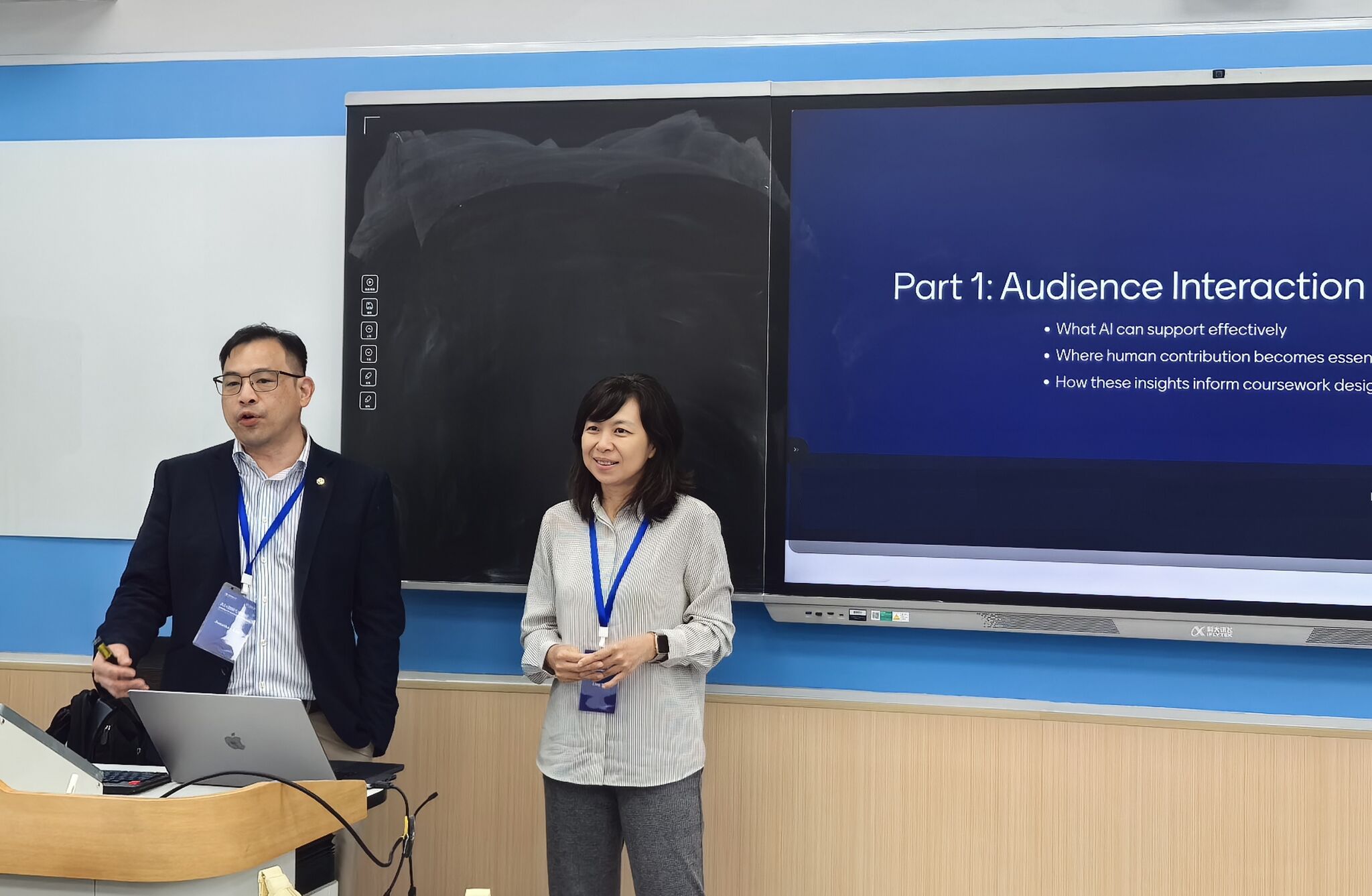 The conference concluded with a workshop chaired by Dr Ling Ma, Director of the Joint Teaching and Learning Centre. Professor Jonathan Loo, Director of the Joint Student Innovation Centre at Queen Mary University of London, led a workshop on “How Educators Design Coursework for Human–AI Collaboration at Scale in the GenAI Era”. The workshop introduced the GenAI-CDIO Authentic Assessment approach and explored how context, judgement, validation and iteration can be embedded into coursework design.
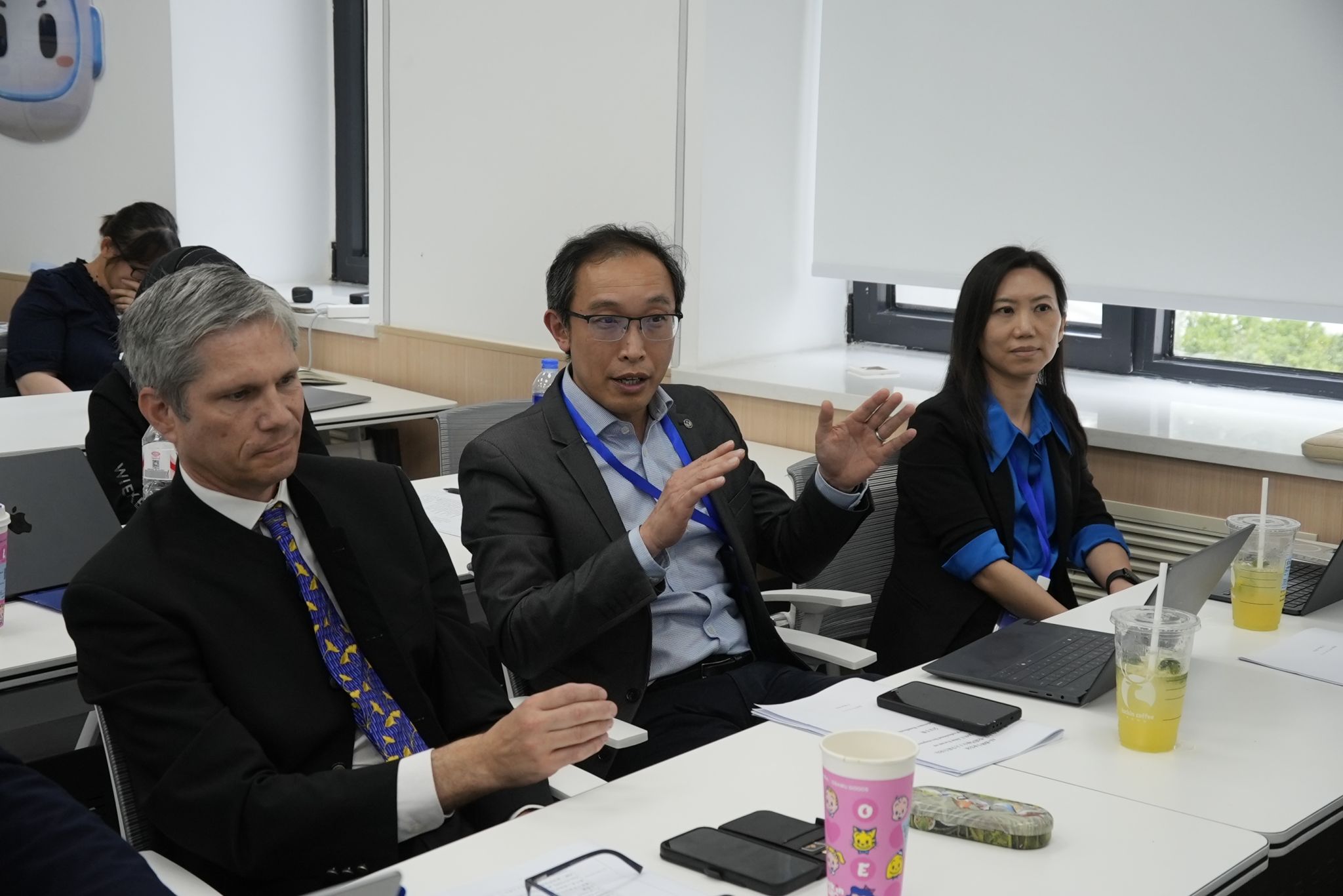 The conference was organised by the Faculty Development Centre, BUPT, the Joint Teaching and Learning Centre (QMUL-BUPT), and the Curriculum and Political Education Research Centre, BUPT, with support from the International School, BUPT and the School of Humanities, BUPT. Participants included directors of faculty development centres from universities in Beijing, members of the Faculty Development Advisory Group, BUPT faculty representatives and QMUL staff representatives.
By creating a space for dialogue between educators, faculty development leaders and institutional partners, the conference strengthened the shared commitment of BUPT and Queen Mary to advancing teaching and learning in transnational education. It also highlighted the importance of developing educators’ AI competence not as a narrow technical skill, but as part of a wider professional practice that supports thoughtful assessment, inclusive pedagogy and sustained educational innovation.