"Where Plants and People Meet": plants, people and participation in South London
In collaboration with
Find out about a series of events bringing people and plants together at the South London Botanical Institute
- Faculty: Faculty of Humanities and Social Sciences
- School: School of Society and Environment
- Format: Workshops; Talks; Lectures
- Key themes: public engagement; sustainability; plants
Please can you give us an overview of your project?
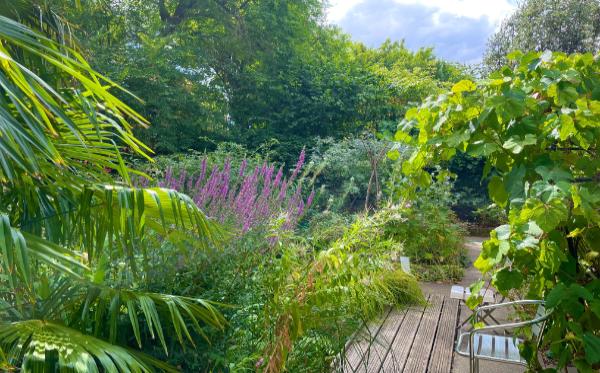
“Where Plants and People Meet” was a programme of events curated by Dr Giulia Carabelli (School of Society and Environment) in collaboration with the South London Botanical Institute (SLBI) in 2024 thanks to a Large Grant from the Centre for Public Engagement. The South London Botanical Institute is a community learning space focused on plants, people and civic participation in Tulse Hill (South London) where people of all ages and backgrounds are supported in exploring the natural environment and to become more informed about biodiversity and the climate crises. The Institute is London’s smallest botanical garden, and was founded in 1910 by keen botanist Allan Octavian Hume.
The events were designed to support the re-launch of the Institute after a 4-year closure, and aimed to create a space of encounter for learning, discussing, and imagining the future with plant worlds. It offered a diverse programme of seven free events tailored to different audiences to contribute to the Institute’s public engagement programme while also showcasing the creative work done at QMUL with plants.
The events aimed to explore the crucial roles played by plants in sustaining life on this planet (from providing oxygen, to shaping culture and social behaviours). It offered roundtables, a reading group, lectures and creative workshops to explore the rich world of plants and support new and more sustainable ways to engage with them and to allow all species to flourish.
Could you tell us more about the events that you ran as part of the project?
“Where Plants and People Meet” was designed to offer a creative and exciting programme of lectures and workshops led by academics across QMUL faculties on plants and their roles in worldmaking. This rich programme of events allowed for a diverse audience to find interest and motivation to learn about plant worlds in science, literature, art practice and technology with a view to expand people’s imagination on what plants do (and can do) to re-shape imaginaries of the future as more than human collective endeavours. Crucially, the programme offered lectures for knowledge exchange as well as workshops where participants could test and practice the acquired knowledge on plants drawing on different methods of engagement.
- A reading group led by Dr Giulia Carabelli and Dr Elissa Livergant (Director, SLBI) met in West Norwood public library to read Robin Wall Kimmerer’s seminal book “Braiding Sweetgrass: Indigenous Wisdom, Scientific Knowledge and the Teaching of Plants” (2015). The meetings provided a platform to discuss Indigenous modes of engagement with plants that embrace an understanding of nonhuman actors (including plants) as companions.
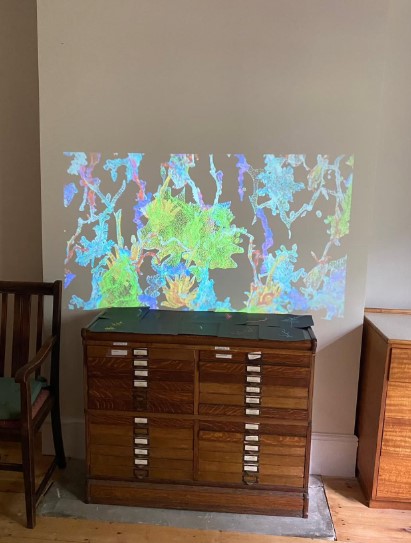
- The workshop “Magical Moss Plants” led by Nirit Ben-Meir and Erin Robinson (QMUL/iGGi) taught participants to use microscopes and sensors to interact with moss colonies and learn about their responsivity to environmental changes.
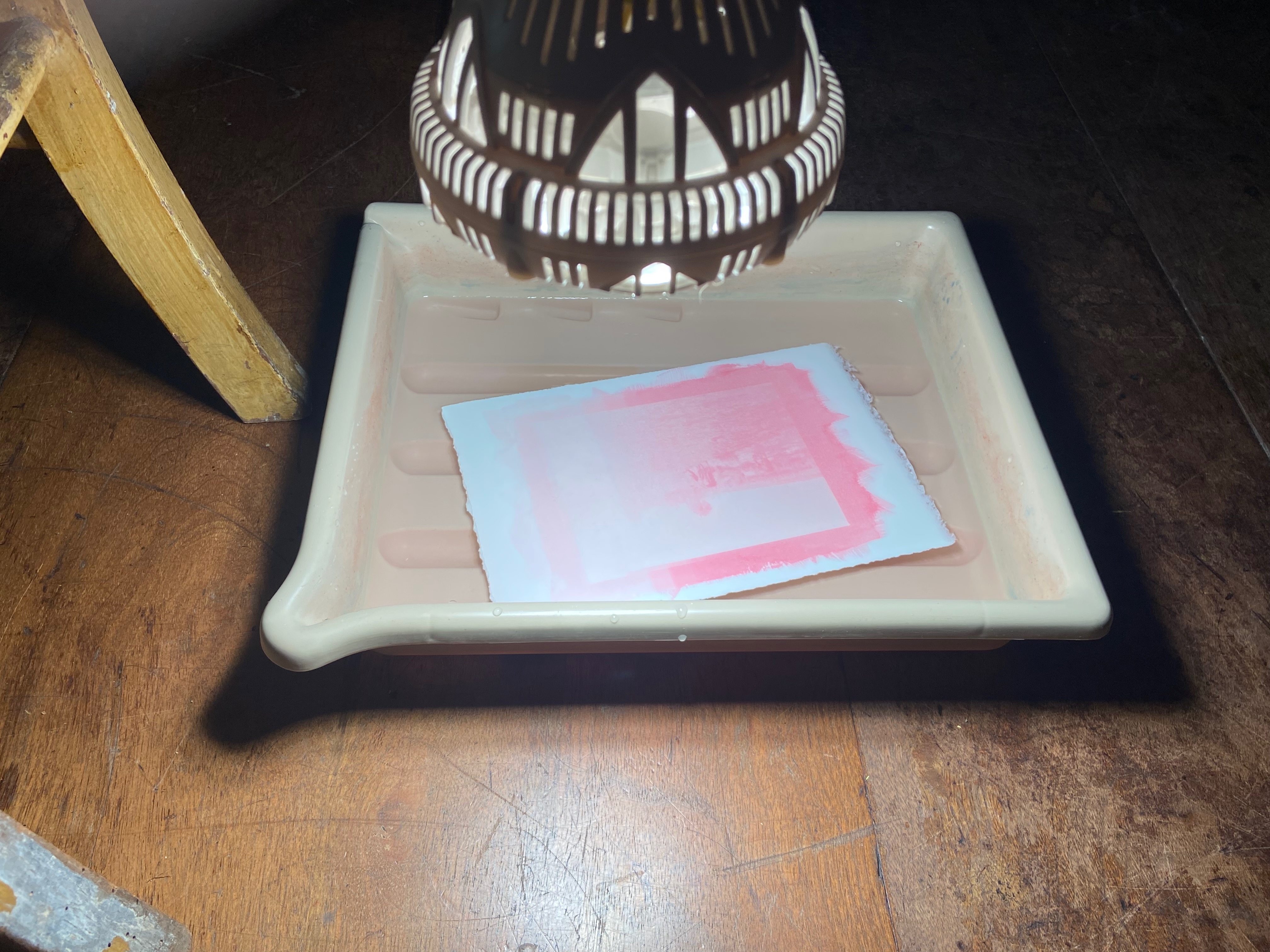
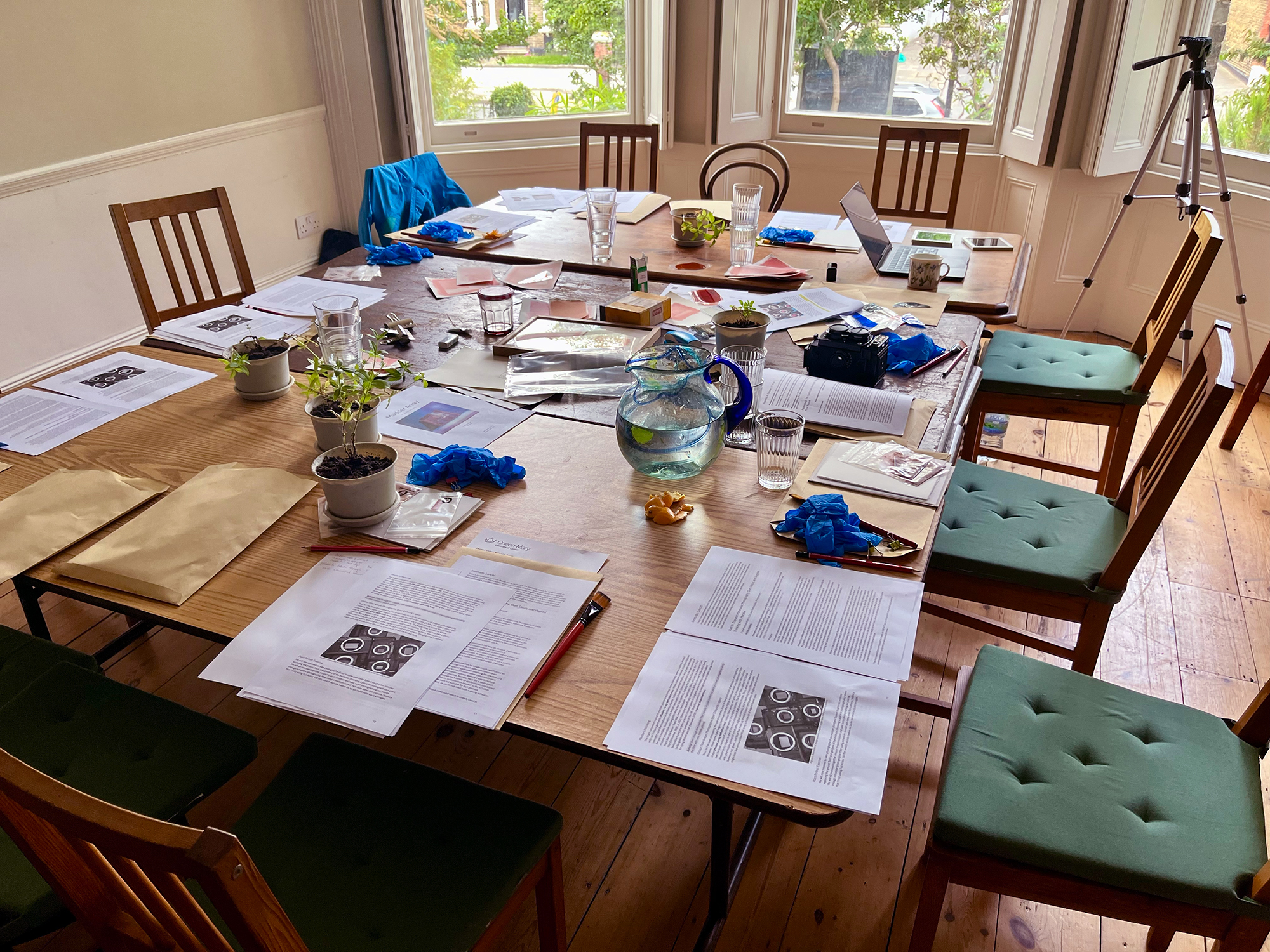
- The workshop “Madder Array: Plant Portraits” led by Matthew Beach (QMUL/SSE) introduced participants to the gum diazo printmaking method, combining historical photographic and contemporary screen-printing techniques,
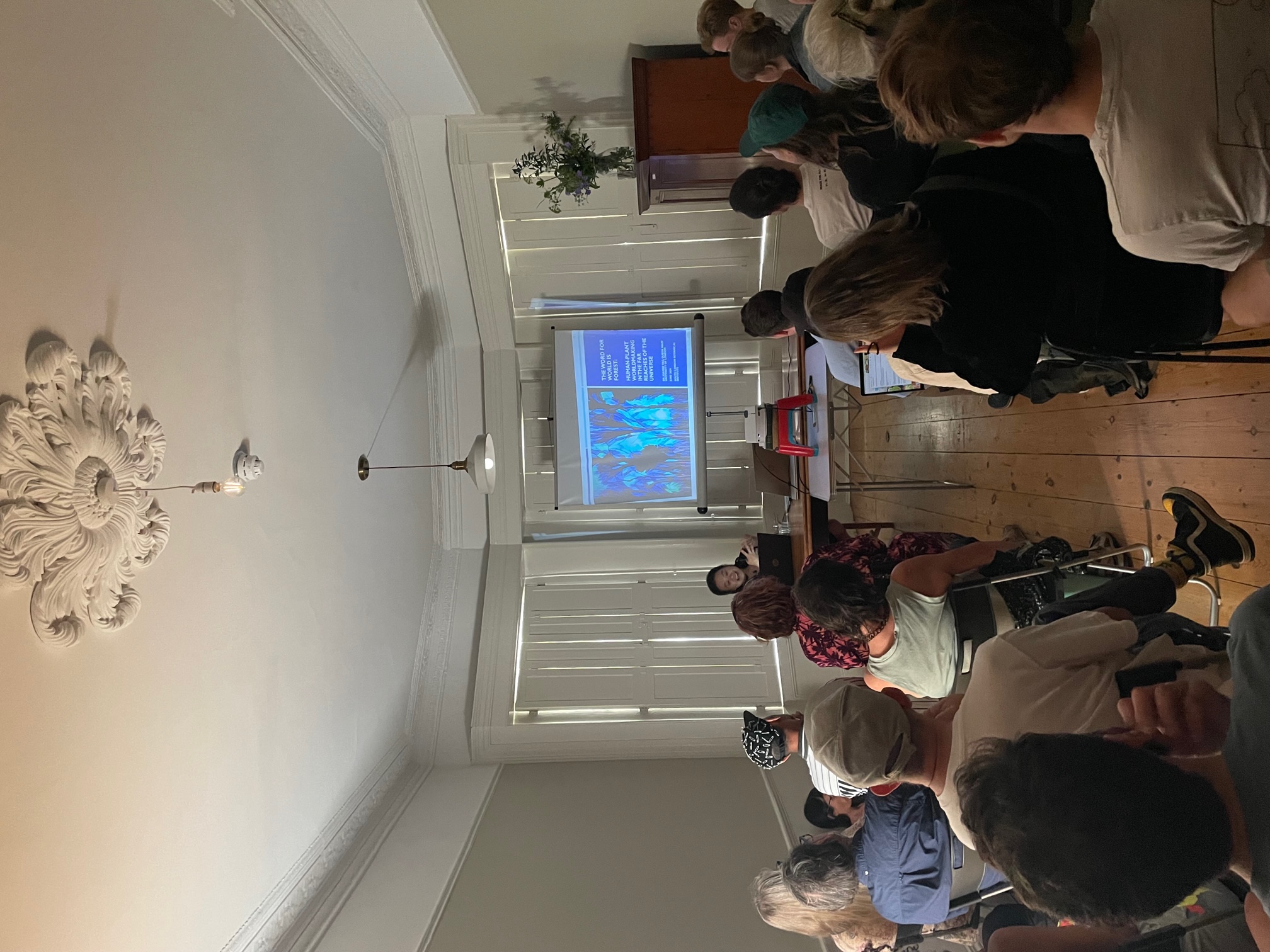
- The lecture delivered by Dr Joanne Yao (QMUL/SSE) “The word for world is a forest” discussed the work of writer Ursula Le Guin to reflect on the roles of plants in imagining the future in the rich tradition of sci-fi literature.
- A roundtable on “Decolonising Natural History” chaired by Giulia and Elyssa brought together curators from the History Museum at Cambridge (Dr JC Niala), the Natural History Museum in London (Dr Miranda Lowe), the founder of Decolonise the Garden (Sui Searle) and the Director of the Master in Art and Ecology at Goldsmiths University (Dr Ros Gray) to share their practice and work in progress. This roundtable offered the opportunity to reflect on the needs to approach plant worlds from different perspectives and to challenge modes of engagement that are rooted in understandings of plants (and other nonhumans) solely as resources to be extracted from.
Following the programme, we published an article reflecting on the impact of the project in the SLBI Annual Gazette (2025). In this piece, we reflect on the positive response by the audiences engaged in the programme as testament of the desire to learn more about plant worlds.
/filters:format(webp)/prod01/channel_262/queen-mary-university-of-london/media/qmul/publicengagement/case-studies/0.jpg)
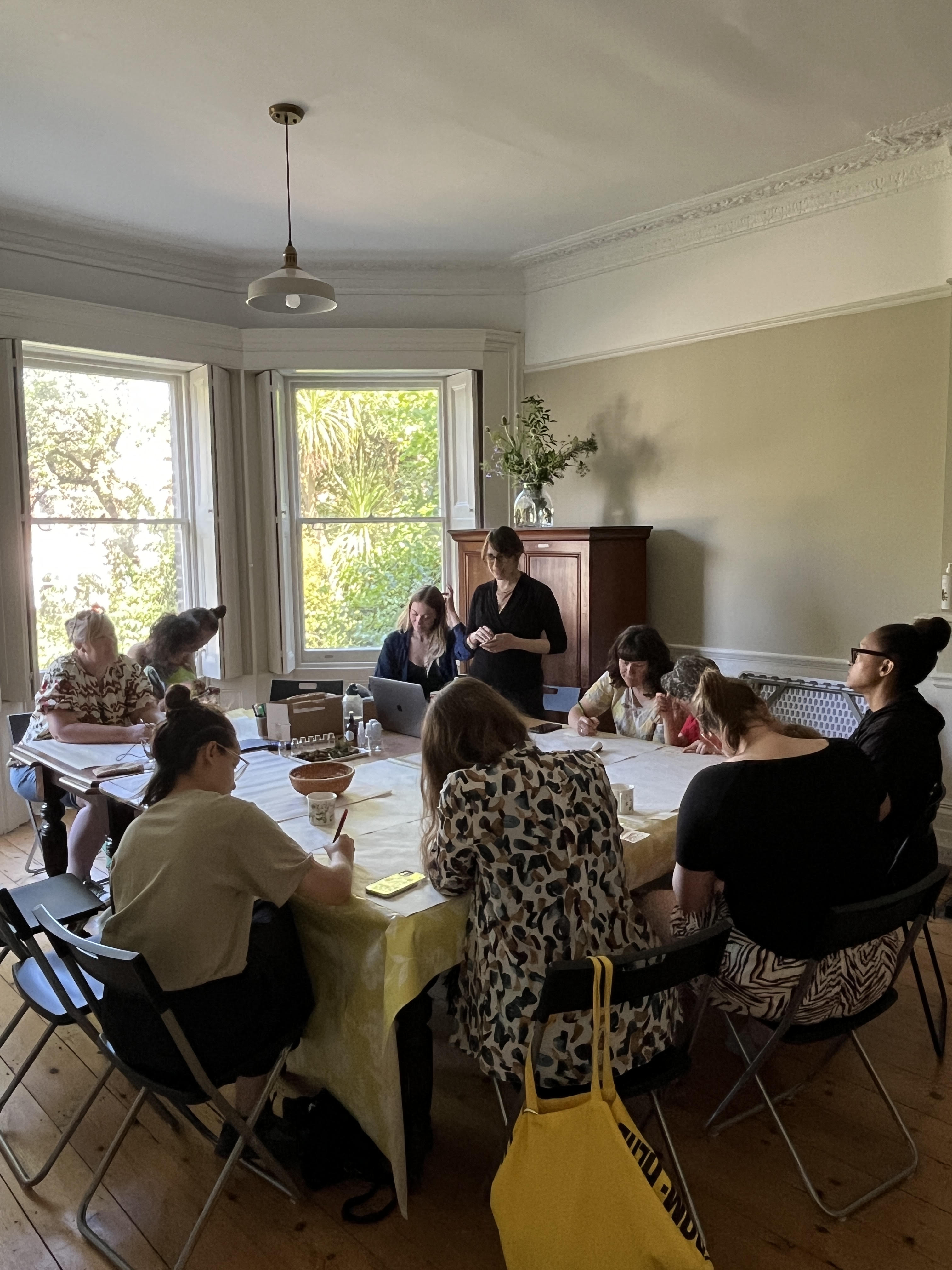
"Madder Array: Plant Portraits" gum diazo printmaking workshop with Matthew Beach
What kind of impact did your project have?
Our collaboration went very well overall and we were very happy with the engagement and participation of the local community in South London. All events sold out within hours of advertising free tickets online (on social media platforms), and over 130 people attended events. People showed up and showed interest and desire to continue attending plant-related events at the SLBI.
The programme was successful in re-launching the SLBI as a centre for community building and knowledge production after its closure for refurbishment, and people demonstrated the interest and desire to continue attending plant related events at the Institute. The SLBI increased its visitor numbers by 60% and attracted 5 new volunteers during the programme.
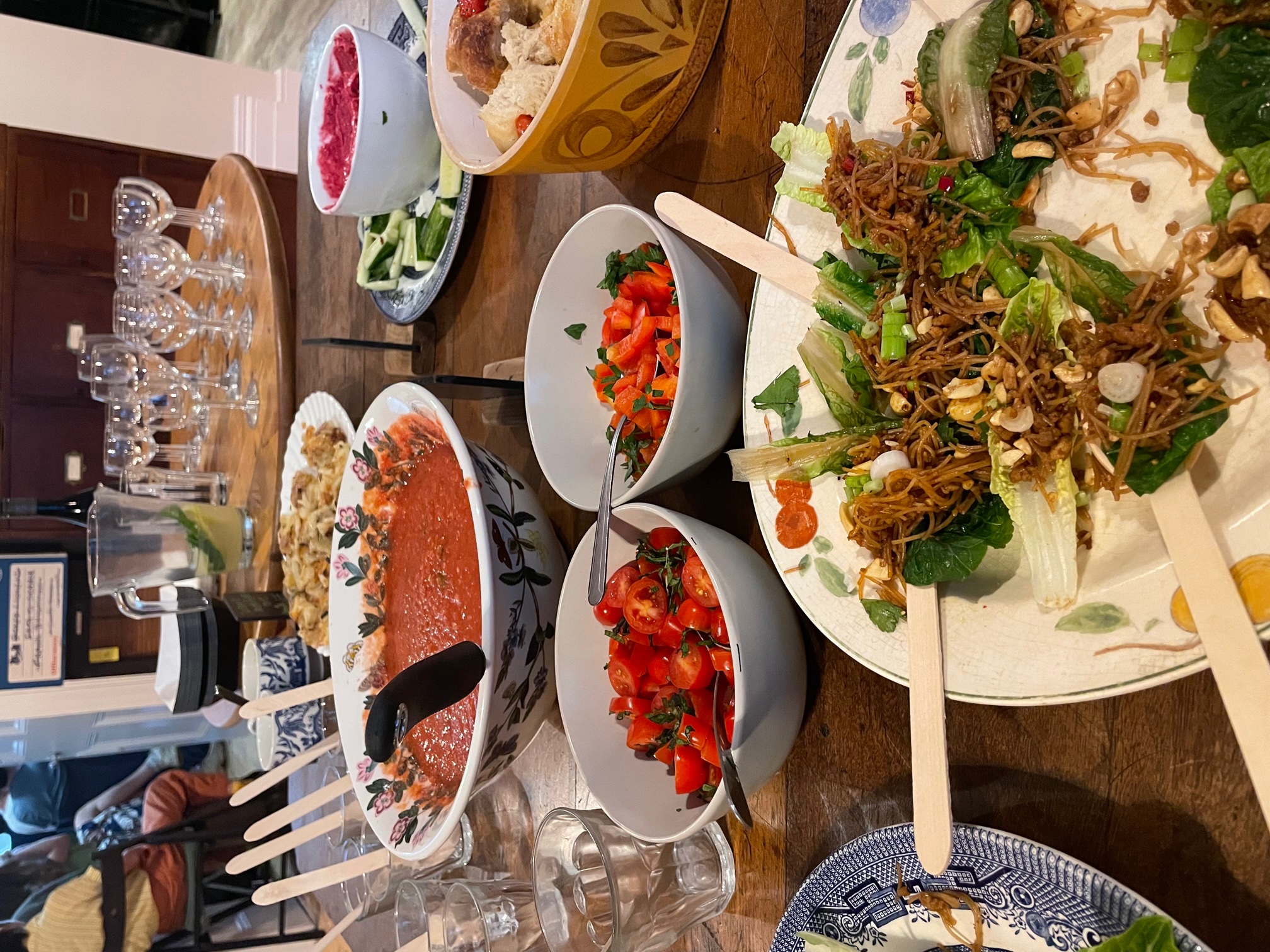
We collected feedback at every event to archive the impact of the project. Participants commented positively on the welcoming atmosphere (complimented by free food and drink!), and the stimulating conversations. They particularly liked the diversity of speakers and events able to cater for different interest and age groups.
Really interesting talk, lovely to wander through the garden, delicious food, warm and welcoming environment. I also attended the "Braiding Sweetgrass" reading group which was excellent - hosted really well and it was a great way to spend time with the book, reflect on others’ opinions and also be introduced to the SLBI and its garden.— Project participant
There was an agreement on the importance of learning about “nonhuman” worlds as fundamental to shaping best practice about environmental sustainability. For many, the most important aspect of the programme was to discover the existence of SLBI as a thriving community space where people can continue their learning about plants.
Queen Mary staff who delivered the events also had a very positive experience and were able to meet new people who work in plant-related fields, which might produce new collaborations in the future.
The programme overall was able to showcase the innovative and creative work about/ with plants done at QM across faculties and establish the SLBI as a crucial partner for community-led activities focused on plants and worldmaking.
Sustainable development goals
The “Life on Land” Sustainable Development Goal understands the possibility of a flourishing future on this planet as rooted in the appreciation for the interconnection of its ecosystems. The premise is that we need, as a collective, to acknowledge that we have caused much damage already through deforestation, loss of natural habitats and land degradation compromising the very possibility of a flourishing future.
As such, this global goal sets an agenda to promote a more sustainable use of our planet’s resources to ensure survival. Much of the work done to implement this goal supports the preservation of ecosystems, in often very technical ways. Our project expanded the focus of this goal by advocating for the need to engage people in a broader appreciation of our "nonhuman" co-dwellers on Earth. Crucially, “Where Plants and People Meet” invited people to get closer to plant worlds with the intention to promote better understandings and ignite people’s imagination to offer concrete pathways towards a more sustainable way to engage with and support plant life.
SDGs supported:
- SDG 4: Quality Education
- SDG 11: Sustainable Cities and Communities
- SDG 15: Life On Land
Find out more about the SDGs at Queen Mary University of London.