
Engagement as a Route to Research Impact
What role do engagement strategies and practices play in developing the impact of research beyond academia?
/filters:format(webp)/prod01/channel_262/queen-mary-university-of-london/media/qmul/publicengagement/blog/Verbatim-Formula.-Photo-credit-Paula-Siquei-(1).png)
The Verbatim Formula. Photo credit: Paula Siquei.
New guidance for REF2029 on Engagement and Impact recognises the crucial role that engagement strategies and practices can play in developing the impact of research beyond academia. This is good news for us at Queen Mary, where we have a strong culture of engaged research practice, working with the public, patients, communities and policymakers through partnerships and collaborations across all stages of the research cycle.
Early-stage engagement activities can plant the seeds for long term research impact. Examples of this at Queen Mary include The Verbatim Formula, which has used creative methods to train social workers and policy makers working with care-experienced young people. Led by Dr Maggie Inchley in School of the Arts, the project won the Innovation Through Knowledge Exchange Award at the 2024 KE Awards, led by Knowledge Exchange UK, and has influenced policymaking at the Department of Education and the Office for Students. Funding from the Centre for Public Engagement (CPE) back in 2014 created an early practical opportunity for Maggie to pilot her innovative approach to engaging with care leavers by creating a performance with a group of care experienced young people. This early funding also laid the foundation for further research funding in the form of two AHRC grants totalling £350,000.
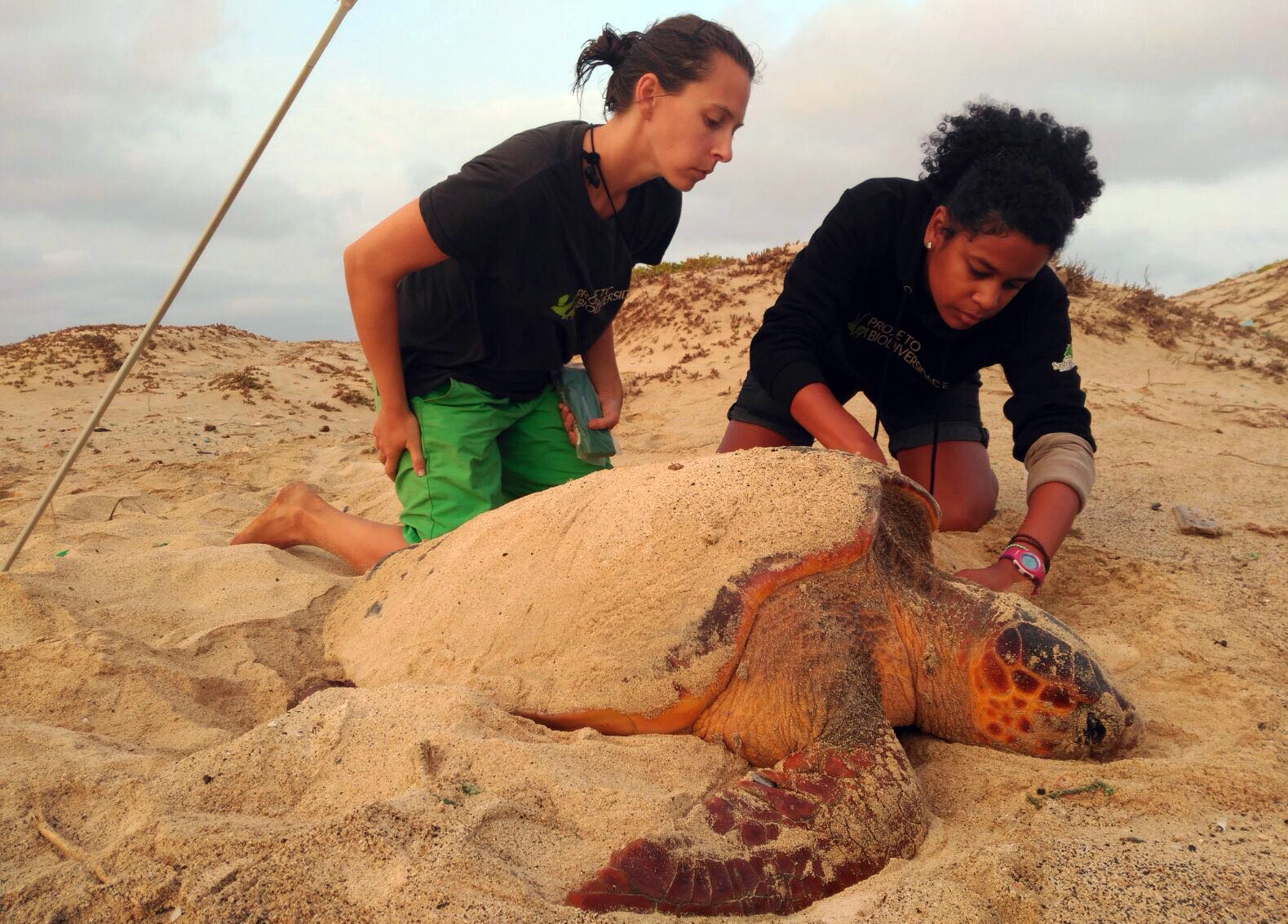 Engagement is also central to developing new tools that transform public understanding and participation in research. Led by Chris Eizaguirre in the School of Biological and Behavioural Sciences, the Eizaguirre Lab’s research into Sea Turtle Conservation in Cabo Verde has embedded community-led monitoring, data collection and education at the heart of conservation practice, strengthening local capacity and improving protection of nesting populations. Innovative engagement outputs from this work co-developed with a Hackney creative studio, such as educational tools, were recognised with a prestigious iF Design Award and X Interaction Awards in 2021. Supported by CPE engagement funding between 2015 and 2023, the Eizaguirre Lab and partners have developed open-source databases, software tools and schools’ educational materials that have scaled public involvement in marine research and conservation. They also led directly to securing further funding, in the form of two NERC grants totalling £526,925. These approaches are now informing wider efforts to protect marine biodiversity, including applications to other threatened marine life such as sharks, demonstrating how participatory science can deliver lasting real-world impact.
 Funding from the CPE has also supported ongoing engagement that has emerged from major research projects, enabling researchers to respond to findings through engagement and to facilitate further projects and partnerships. For example, funding was provided by the CPE to conduct the evaluation of the Partnership for Black People’s Health, a community-led research project in the Wolfson Institute of Population Health that engages Black African and Black Caribbean communities in research to reduce the disproportionate health inequalities that they face. Community participants on the original project were keen to do further engagement work, and the CPE supported the set-up of the Haringey Black Men’s Health Action Research Group – a specific community partnership looking at Black men’s health, which has led to collaborations with other research at Queen Mary, including on prostate cancer with Professor Prabs Rajan, mental health with Dr John Ford and lung cancer screening with Dr Samantha Quaife. Participatory research funding is also now supporting the Panel for Black People’s Health, which will bring together 200 Black community members from Birmingham, London and Nottingham to advise at upcoming workshops with QM academics.
The new guidance for REF2029 offers a helpful definition of engagement, defined as ‘an interaction between the HEI and relevant individuals, groups, communities, organisations, the public, commercial partners, or policy makers, that is purposeful, responsible, and context appropriate.’
Building purposeful partnerships is at the heart of good engagement, and the Engagement Team is here to support staff with advice, training and funding to enable new partnerships and sustain ongoing engagement collaborations. You can read our Equitable Partnerships Resources for practical advice on making this happen, including a toolkit on equitable partnerships for civic, community and university partners developed by QM as partner on the National Civic Impact Accelerator programme.
In 2024/25 alone, the Engagement Team supported 100+ partnerships with Local Authorities and Government, NHS and Health Partners, Schools, Colleges and HE providers, Businesses and SMEs and Voluntary and Community Sectors (VCS) organisations. In the first term of 2025/26, over 70 partnerships are already being fostered by engagement grant funded projects.
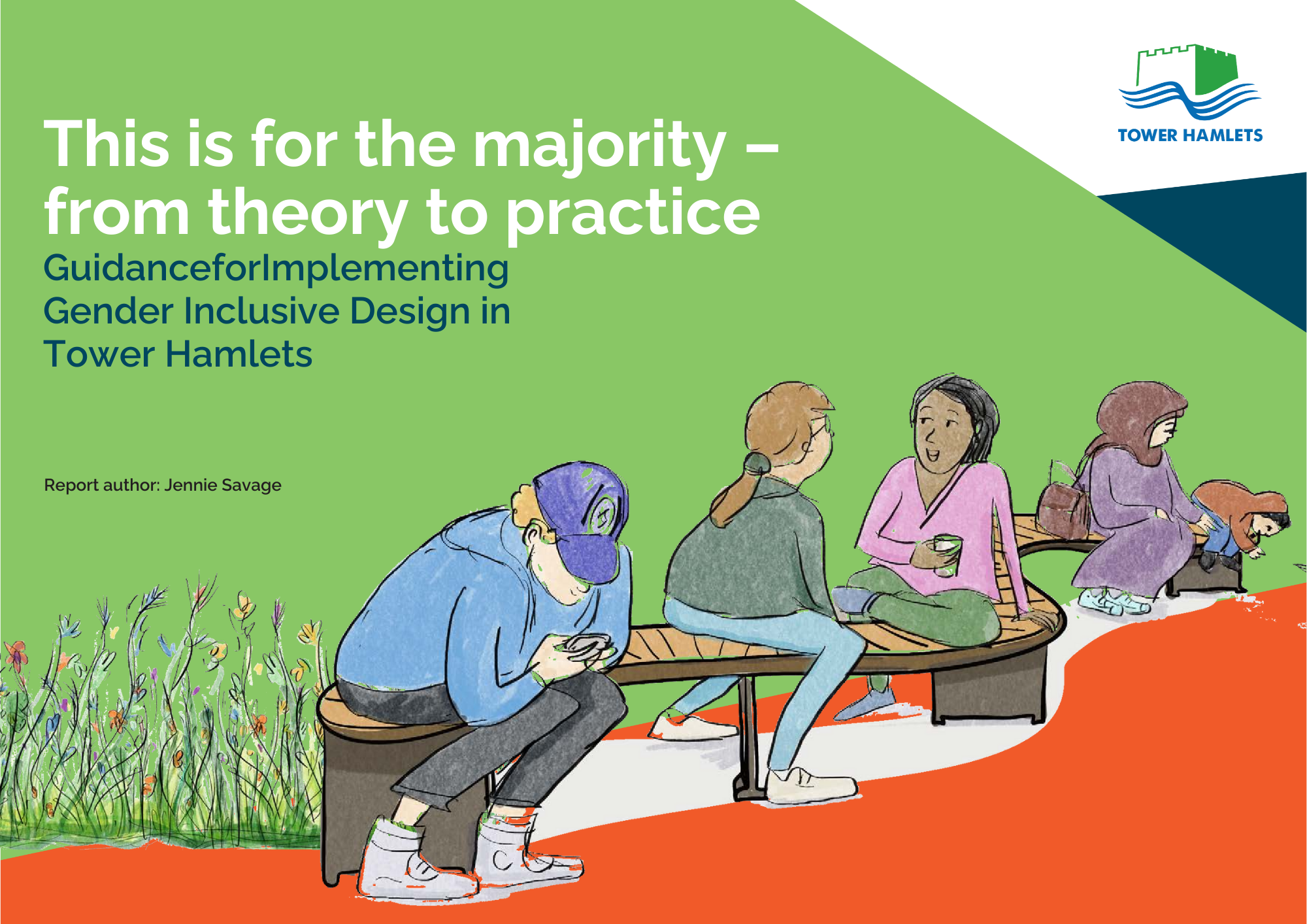 These partnerships are creating important opportunities for generating research impact locally and globally. For example, in 2024 the Designing Tower Hamlets’ Green Grid project, led by researchers in the School of Society & Environment, co-produced gender inclusive design guidance with the Council, community researchers and other stakeholders to make green spaces in the borough welcoming, safe and accessible for all. Another example of strong partnership working with the local council is the Health Determinants Research Collaboration (HDRC) which is building the infrastructure for evidence-based decision-making to improve health outcomes and reduce health inequalities. Queen Mary, London Metropolitan University and University of East London won the London Higher Award for Best Research Collaboration in 2024 for their work on the Council-led HDRC programme.
Next year, Niranjana Ramesh in the School of Society & Environment will build on her 2025 pilot project Seasoned by the Sea that co-created a cookery book focusing on food and politics with Tamil communities is London. With the support of the Engagement Team, the project is heading to the Coromandel Coast in southeastern India to run workshops and training that will empower local fishing communities whose livelihoods are currently under threat, generating impact with policy makers and planners to directly improve the lives of the local population. And in the School of the Arts, Pedro Ferreira’s Youth in Motion project will engage young people in urban peripheries in Brazil in participatory research on cultural rights and social impact, led by People’s Palace Projects in partnership with FGV University in Rio.
As the new REF guidelines move to recognise the diverse contributions that engagement makes to research impact, the Engagement Team will continue to build skills and create opportunities across the research life cycle. From early support for initiating purposeful partnerships and embedding engagement and impact into research grant applications, to sustaining long term engaged research that is award winning and sector leading, we are committed to maintaining and growing Queen Mary’s long-standing reputation for social justice and improving people’s lives.