
Learning by doing and student skills enhancement practice initiatives
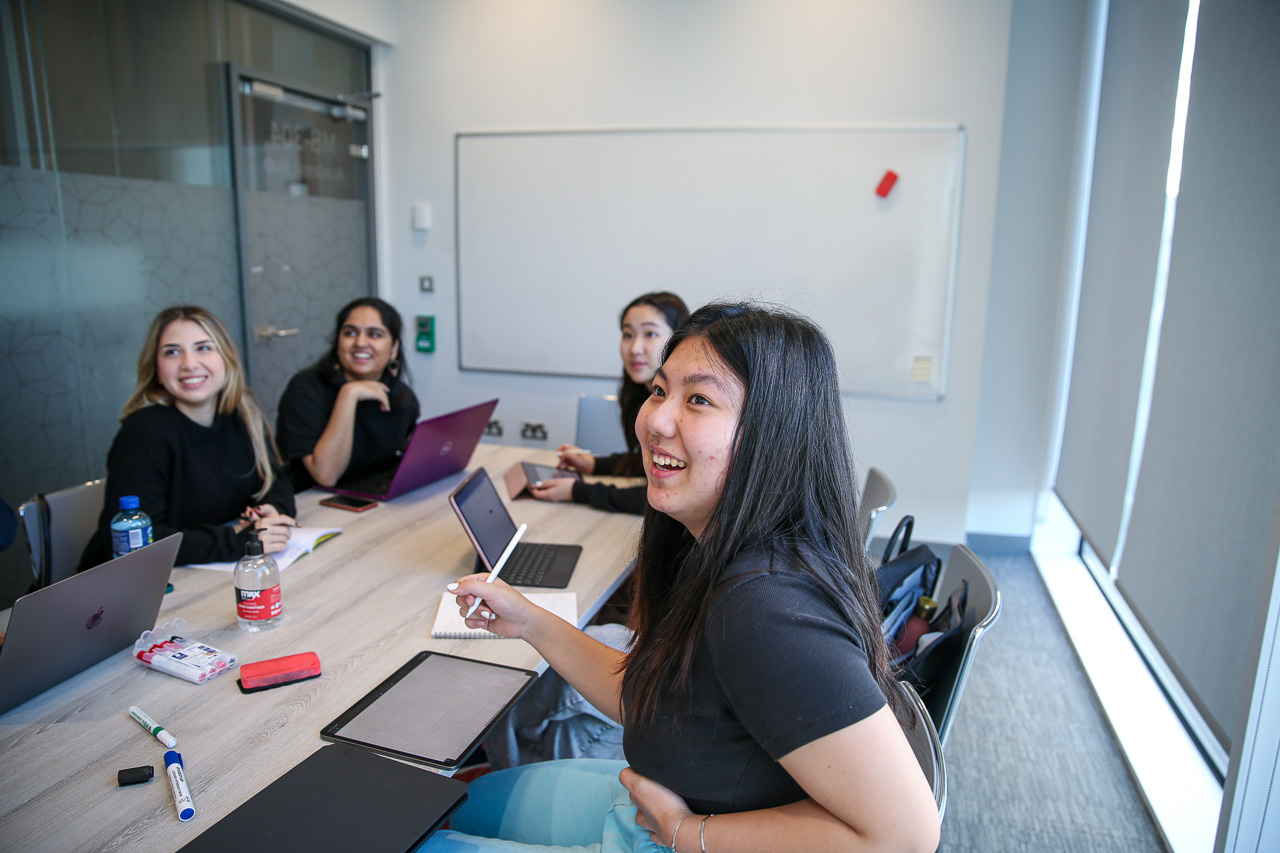
'Learning by Doing’ is a key component of Queen Mary’s Active Curriculum for Excellence (ACE). Rooted in experiential learning theory, learning by doing posits that students learn more effectively when they actively engage with the subject matter through practical application. This project aimed to provide a comprehensive understanding of how QMUL educators contribute to this element of the ACE approach.
Responding to a need
The study aimed to address several critical gaps in the understanding and showcasing of 'Learning by Doing' approaches at Queen Mary University of London. Primarily showcasing existing good practice and supporting educators in understanding of ‘Learning by Doing’ in practice. Furthermore, it was important to showcase the impactful work that QM educators were doing and promote these by spotlighting them and their work. Through the project, I was an ambassador to promote colleagues’ work and spotlight their case studies and the QMUL ACE approach.
Approach used
‘Learning by doing’ refers to learning through hands-on experience and practice rather than passive absorption of information. It involves interactive learning activities and simulations to create an engaging learning experience centered around the application of knowledge (Barnum et al., 2008; Meyers & Jones, 1993). Queen Mary University of London defines ‘learning by doing’ as facilitated sessions that can include tutorials, lab work, problem-based Learning (PBL), seminar debates, employability skills training and clinical training and patient treatment.
One of the key aspects of the design was the collection of case studies from different faculties across the university. This approach ensured a broad representation of experiential learning practices across various disciplines, from sciences and engineering to humanities and social sciences. Staff members from different schools were invited to share their experiences, approaches, case studies and impacts of implementing "'Learning by Doing" ' approaches in their respective fields. This multi-disciplinary collection of case studies provided insights into the diverse applications of experiential learning within the university context.
The design of this study on "'Learning by Doing"' at Queen Mary University of London significantly involved co-creation and student participation, ensuring that students’ voices were included and that the project was co-created with them. Student voice and co-creation were primarily implemented through the SBM Consult initiative. Student consultants collected data from their peers and staff members across the university. This peer-to-peer approach facilitated more open and honest responses from student participants, who might have felt more comfortable sharing their experiences with fellow students. The students conducted surveys, interviews, and focus groups, gathering in-depth insights into the effectiveness of 'Learning by Doing"' approaches from the student perspective.
To maximise the impact of the research, the collected case studies and findings were shared and showcased at various conferences. This dissemination strategy included presentations at internal Queen Mary events, such as the annual Festival of Education, where staff members shared best practices and insights gained from the study. The research team also presented their findings at national and international conferences, broadening the reach and impact of the study beyond the university.
Conferences presented include the QMUL School of Economics and Finance Second International Conference in Education and Scholarship. 10th of November 2023, Queen Mary University of London (Panel chair). Queen Mary, University of London Festival of Education Conference 2024, held 6-7th March 2024, London, UK (Chair) and Management & Organizational Behaviour Teaching Society (MOBTS) conference, June 27-30, 2024, James Cook University, Singapore (panel chair).
Impact
The project significantly impacted the educational practices at QMUL by promoting the 'Learning by Doing' approach through various channels. By disseminating case studies at different outlets, such as the QMUL Festival of Education and raising the profiles of staff who shared their best practices, the project fostered a broader awareness and appreciation of experiential learning methods. Staff members who participated in the project had the opportunity to present their case studies at the QMUL Festival of Education, further enhancing their visibility and influence. This exposure led to more staff sharing their best practices across the faculty, with more staff incorporating 'learning by doing' techniques into their teaching, ultimately enriching the learning experience for students. Attendance of the panel in the QMUL Festival of Education is another impact. The poster presentation put under this category, won the QMUL Festival of Education poster award under the SCHOLARSHIP category – Dr Lilian Schofield (2024). ‘ACEing’ for Excellence: Practical insights and approaches to fostering transformative student experiences through ‘Learning by Doing’ approach.
Recommendations
- Educators understand their students’ unique needs and learning styles and tailor their approaches to suit their disciplines and students' needs.
- Educators adopt several innovative approaches to enhance their teaching. These include project-based learning, experiential learning, and collaborative projects.
- Sharing Best Practices: At QMUL, many staff members actively share and showcase their “learning by doing” approaches. This collaborative effort is crucial for continuous improvement.
- One of the main barriers to implementing a “learning by doing” approach is sometimes the resources and managing large classes.
References
- Schofield, L., Rose, R., and Elston, P. (2024). “Classroom to Real-Life Practices: Practical Applications of Learning by Doing”. Paper presented at Queen Mary, University of London Festival of Education Conference 2024, held 6-7th March 2024, London, UK (Chair).
- Schofield, L.; Zhou, X.; & Mosonyi, S. (2024). Incorporating generative AI into capstone projects to enhance student's skills in critical feedback, problem-solving, and creativity. Paper presented in Deep Sea Islands of Innovation 2024, held 10th May, University of Liverpool, UK.
- Schofield, L., Zhou, X., Zhang, J., Durowoju, O. A., Odea, X., & Odea M. (2024). “Integrating generative Artificial Intelligence (AI) inclusively for constructivist-oriented active learning”, Paper presented at the 84th Annual Meeting of the Academy of Management, held 9-13 of August 2024, Chicago, Illinois, USA (presenter).
- Schofield, L., Zhou, X., Zhang, J., Valez, T., Petrov, G., Morrison, D. (2024). “Advancing Business and Management Students' Agency through inclusive experiential learning approaches and authentic assessment in the era of Artificial Intelligence (AI)”, paper presented at Management & Organizational Behaviour Teaching Society (MOBTS) conference, June 27-30, 2024, James Cook University, Singapore (panel chair).
- Schofield, L., Zhou, X., Zhang, J., Valez, T., Petrov, G., Morrison, D. (2023). “ACEing’ learning: Enhancing student’s skills and learning through ‘learning by doing’”. School of Economics and Finance Second International Conference in Education and Scholarship. 10th of November 2023, Queen Mary University of London (Panel chair).
- There have been significant changes at QMUL in terms of staff talking more about learning by doing and the ACE approach. Many teaching staff members are now actively sharing their “'learning by doing”' approaches. I organised three conference panels where our QMUL staff from different schools presented and showcased their innovative case studies and approaches.