Conservation isn’t just something we study, it’s something students experience firsthand. From fieldwork in ecosystems around the world to learning the latest analytical tools and intervention strategies, our MSc in Biodiversity and Conservation gives students the knowledge, skills and real-world perspective to tackle today’s biodiversity challenges.
Training the Next Generation of Conservation Scientists
Published:
/filters:format(webp)/prod01/channel_120/school-of-biological-and-behavioural-sciences/media/sbbs/bio-and-cons-pic-1.jpg)
Conservation is a crucial part of modern biology, and one of the most pressing concerns in the world with the pressures of climate change and habitat loss. It is major part of what we do in SBBS, both in terms of our research, but also our teaching for both undergraduates and graduates. Students engage with it throughout their training, from the ecological and evolutionary principles that explain biodiversity patterns, to the practical tools used to monitor change and design evidence-based interventions. There are multiple undergraduate modules on our Biology and Zoology degree programs around ecology culminating in our final year Savannah Ecology and Conservation module in South Africa.
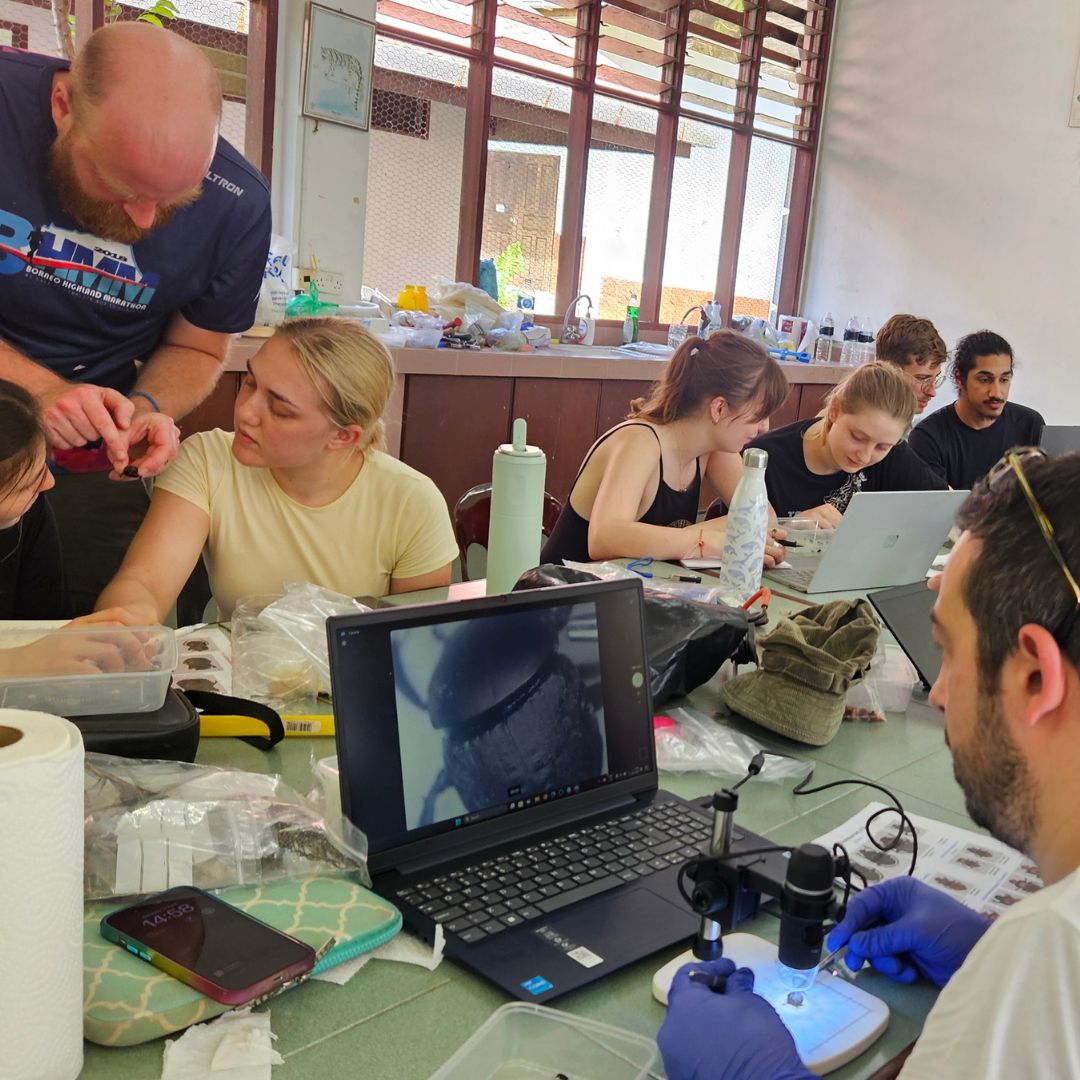
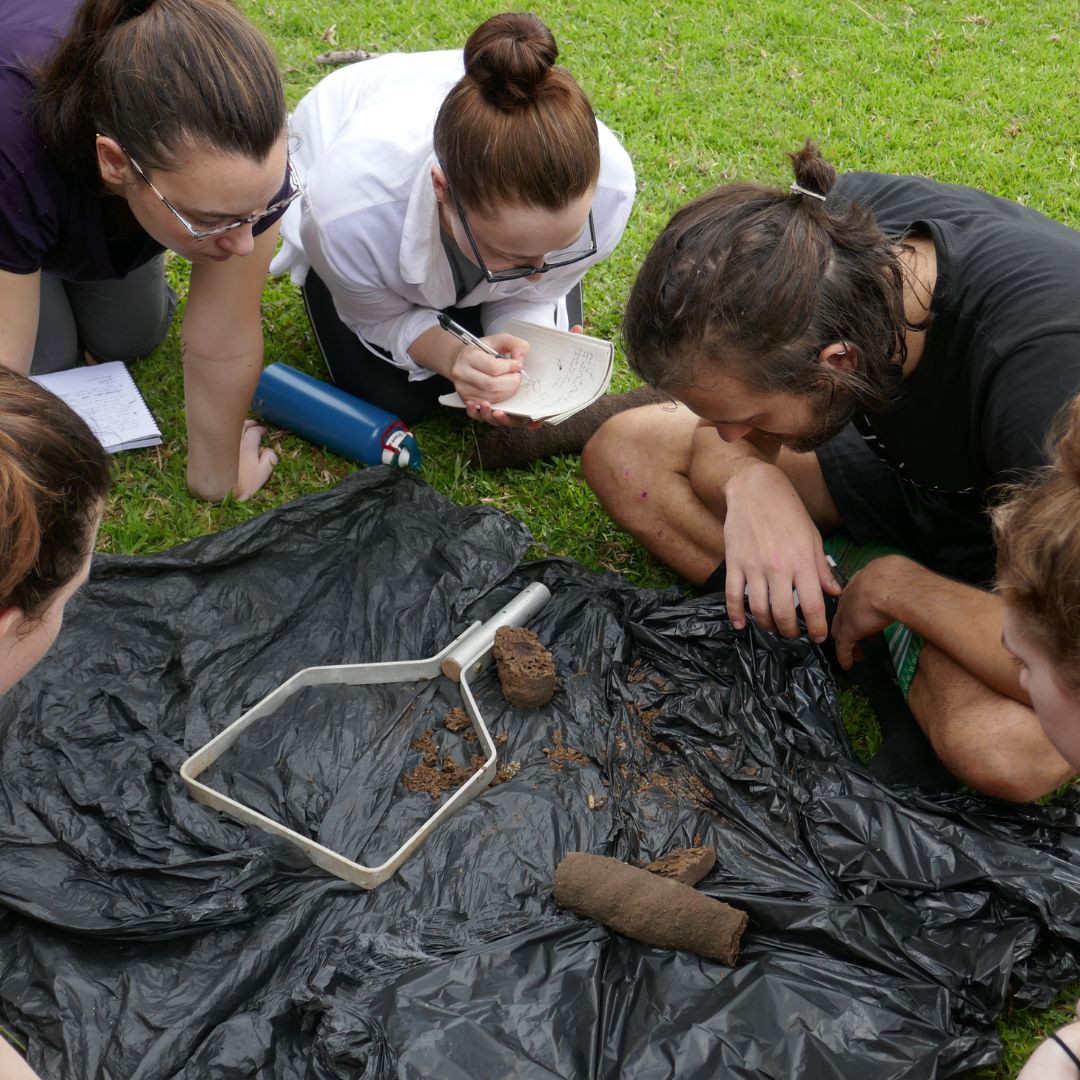
A real focal point for conservation is our MSc in Biodiversity and Conservation, which we developed to equip students with both strong conceptual foundations and real-world, employable skills.
Last September we welcomed a new cohort of over 30 students from across the globe to this postgraduate program. In their first semester, students took Research Frontiers in Biodiversity, Evolution and Conservation, where they were introduced to contemporary debates and the latest research shaping the field. In Statistics and Data Analysis, they developed the quantitative toolkit needed for modern conservation., and in Biodiversity Loss, Challenges and Solutions, they explored the drivers of decline alongside policies and strategies for reversing these trends. Students then specialise, choosing between Biodiversity Survey and Spatial Analysis (survey design, mapping, and monitoring) or Ecosystem Function and Assessment (how ecosystem processes link to resilience, restoration, and valuation).
In the second semester, the program shifts further towards application and professional practice. Students choose between Conservation and Restoration in Practice, focusing on how conservation is delivered on the ground (including intervention design and evaluation), or Spatial Analysis and Emerging Technologies in Conservation, which examines analytical and technological approaches that are increasingly central to monitoring and decision-making.
A defining element of the programme are the incredible options for the overseas field module, with options including Conservation and Habitat Restoration or Terrestrial Ecology and Conservation in Borneo, or Marine Ecology and Conservation in Cabo Verde. These overseas modules are especially valuable in giving students direct experience of conservation challenges in diverse ecosystems and social contexts, and a chance to apply classroom learning to real field scenarios, as well as seeing some truly amazing environments and wildlife and getting hands-on experience of work in the field. Finally, for the last few months of the programme, students complete an original research project, for which they will collect and analyse data to address a question in biodiversity and conservation, and write this up as an MSc dissertation.
Overall, the MSc prepares graduates for careers and further study across conservation science and practice, with recent graduates entering a range of jobs and sectors, including environmental consultancies, academic publishing, government agencies and PhDs. Among the many and varied examples of success stories of our former MSc students, Rowena Gordon (2014-2015) is now Senior Managing Editor for the British Ecological Society, Kiara Rose (2018-2019) is an Environmental Engineer at Thames Water, Matt Hulse (2023-2024) is undertaking research on tropical frogs for a PhD at Queens Belfast, and Joss Carr (2024-2025) is a Naturalist at the Biological Recording Company.
Director of Biodiversity and Conservation (MSc) & Professor in Molecular Ecology and Evolution
Professor Rossiter is a part of the Centre of Biodiversity and Sustainability.
Learn more about our MSc Biodiversity and Conservation programme