
Interview with RCE's Dr Niharika Pandit on her new book 'Occupying the Everyday'
I see my work as extending this critical legacy by thinking with the margins of South Asia to challenge the centrality of hegemonic nation-states
Dr Niharika Pandit, Lecturer in Sociology at SPIR and member of Centre for the Study of Race, Class and Empire (RCE), interviews with The Contrapuntal on her fascinating new book 'Occupying the Everyday: Militarisation and Gendered Politics of Living in Kashmir'.
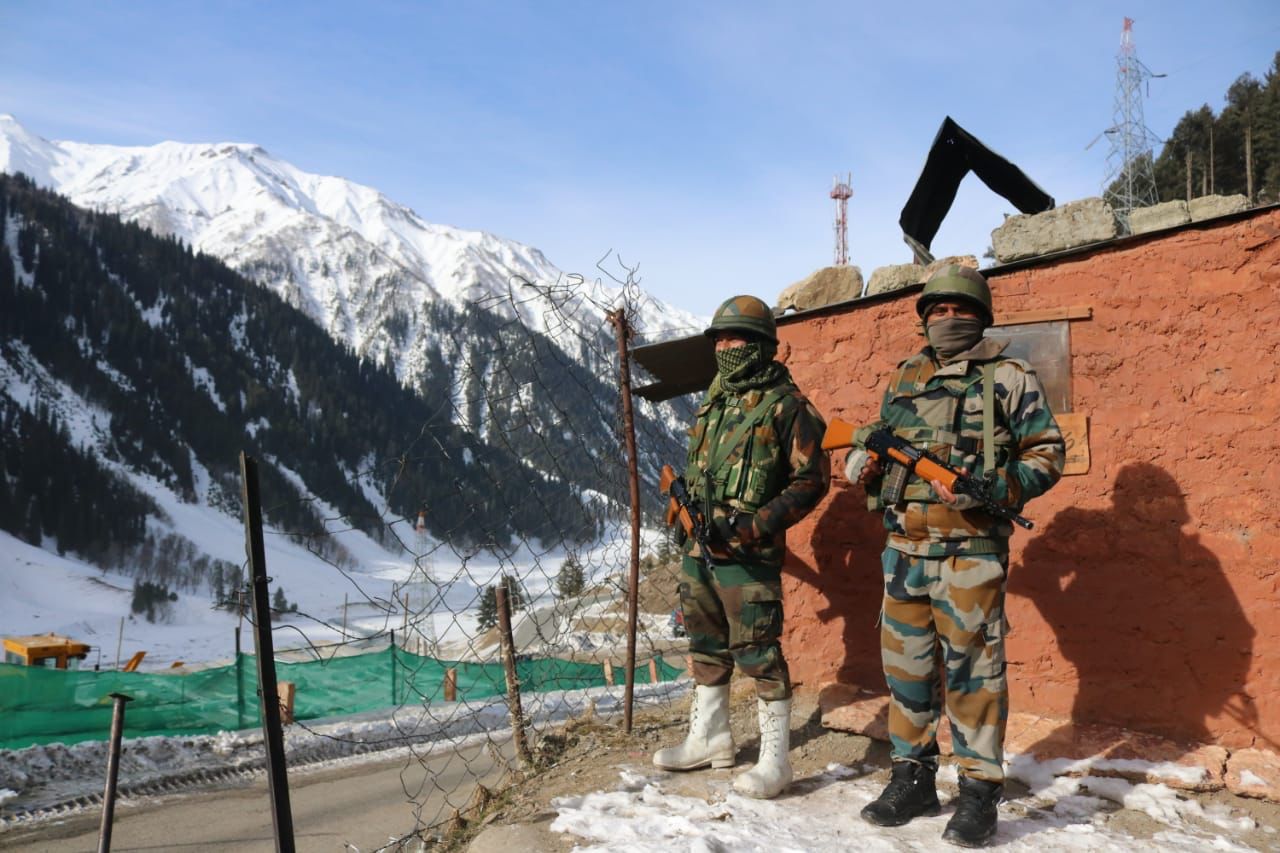
In Occupying the Everyday, London-based academic Dr Niharika Pandit traces how militarisation structures daily life in Indian-administered Kashmir, challenging Indian nation-making myths and Western theories of the postcolonial state through feminist, anti-colonial analysis grounded in lived experience.
Drawing on ethnographic research and feminist theory, Pandit’s forthcoming book reframes Kashmir not as an exception but as central to understanding Indian state power. She argues militarisation is foundational to postcolonial nationhood, shaping everyday life through violence, surveillance, and silencing, while also generating counter-politics of survival and resistance rooted in gendered, anti-colonial struggles.
Excerpts from the interview:
- How does your work theorize the everyday practices of violence, control, silencing, and surveillance in the region?
Every day, rather than being a sterile or less valuable space, as masculinist or ‘neutral’ forms of knowledge would have us believe, it is precisely where occupation, control, violence, state, and militarised power are forcefully asserted. But the everyday is also where power is constantly challenged, subverted, and resisted. In thinking of the everyday as a politically valuable space for understanding how power and resistance to power work, I am indebted to decades of feminist scholarship that has foregrounded lived struggle as a crucial analytic for examining oppression and resistance.
In developing an account of everyday occupation, I centre the stories, grounded vocabularies, archives, and gendered struggles of living that my Kashmiri Muslim interlocutors and interviewees trusted me with. By tracing occupation through antioccupation and anticolonial politics of living, including concepts like zulm, halaat, and occupation that form part of people’s everyday parlance, I foreground, in both epistemic and political terms, Kashmiri people’s stories and struggles of living through the forceful militarisation of their land and denial of their political aspirations. The dual framework of occupation and antioccupation pushes me to think of the everyday as a critical site for disrupting colonial structures and ways of thinking and to map how people resist, reject, and refuse the violent logics and overwhelming control of occupation.