
Learning in the Wild: Fieldwork, Friendships, and Frogs
/filters:format(webp)/prod01/channel_120/school-of-biological-and-behavioural-sciences/media/sbbs/5.jpg)
We visited so many different environments during the trip from sampling plankton in Krka lake, to catching amphibians in ponds, every part of the trip was amazing. I had so much fun it felt like a holiday but I still learnt so much about ecology.
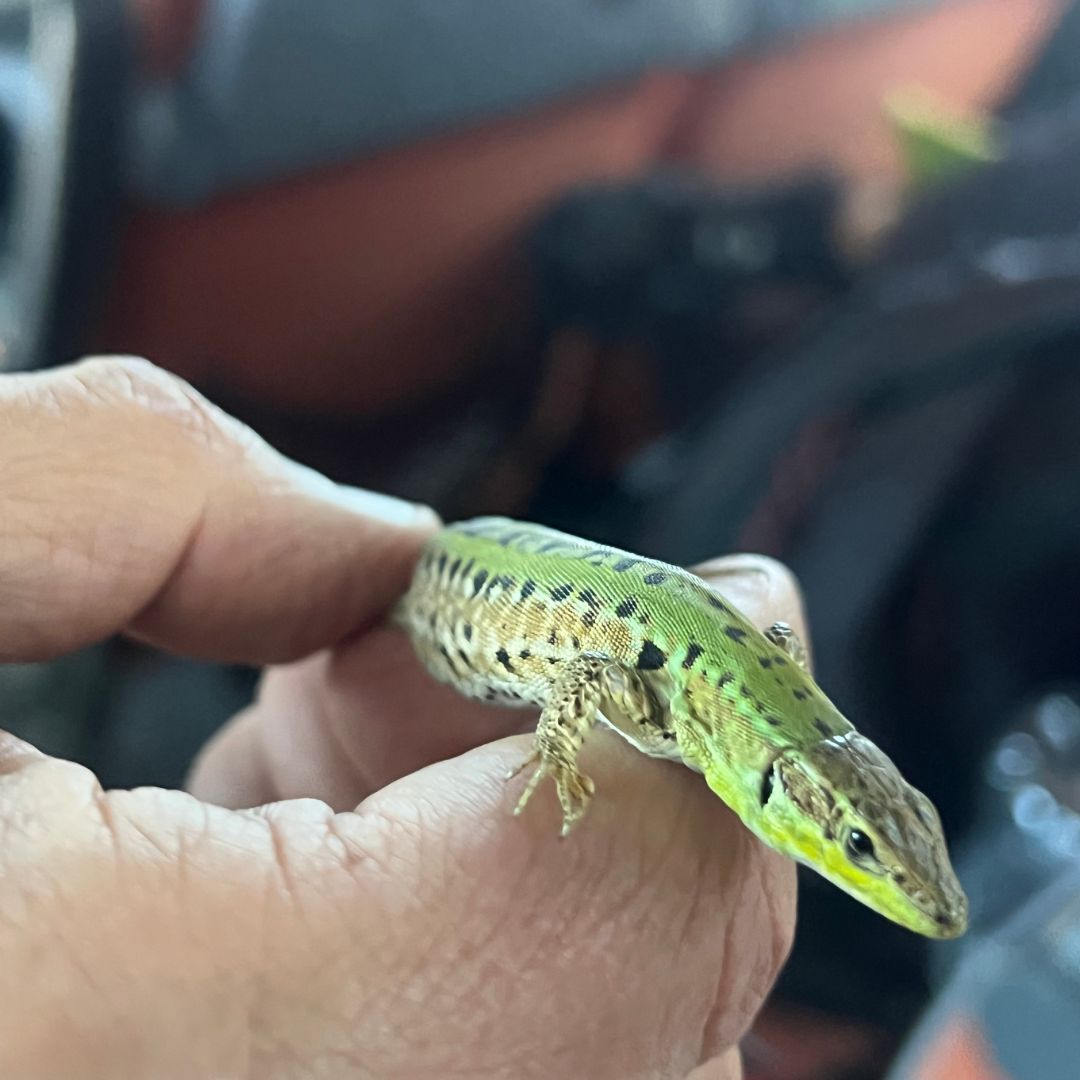
I learnt so many new skills on this trip, the main one that we all learnt was data collection and how to properly write notes in the field. In the streams we learnt how to do kick sampling to catch invertebrates. We also learnt how to identify many different species. The best skill I learnt was animal handling- it was really cool to see and hold these animals up close but of course if you didn't want to touch any of them you didn't have to. Another skill I found really interesting to learn about was pitfall traps. This is a common sampling technique we learn about a lot in ecology- it was really cool to see how these worked in the field.
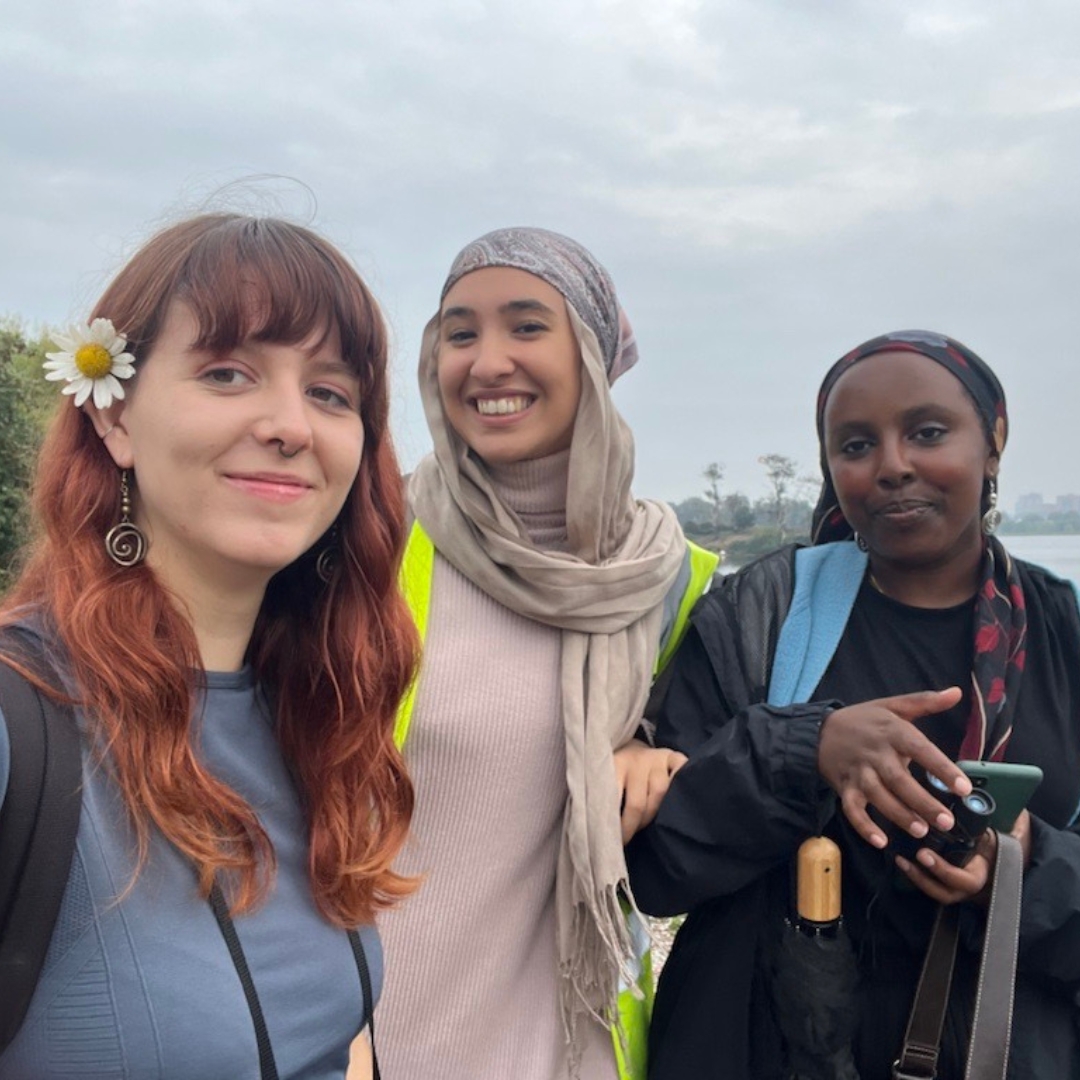
Typically, the day would start at around 9 where we would get the bus to our first location. The lectures would then tell us some background information about the area and explain what we would be doing. In our field books we took notes on the method, recorded our findings and drew a map of the location. After sampling in the first area, we travelled to a second or third location where we would investigate a similar environment. After completing all the field research we then had a break along with lunch in the restaurant. And finally we looked at our results in the lab before one of the groups presented that day's results.
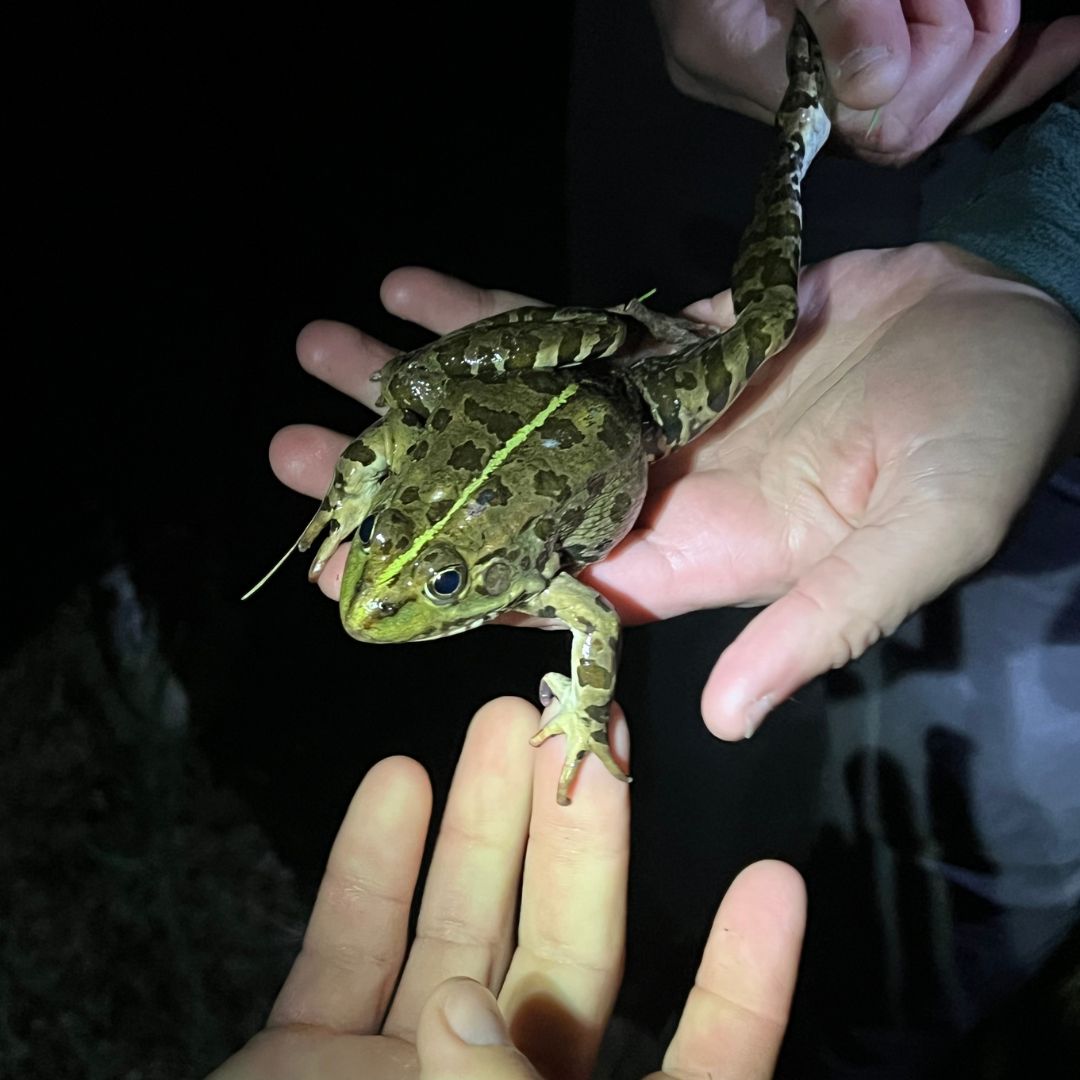
I had many amazing moments on the trip but there were a few that stood out to me. A small group of us got to go out to the pond late at night where we identified amphibians. It was really cool as we got to hear the frogs calling which is something they don't do in the day. We also got to catch and hold the frogs - they were so slippy Clara had to help me hold them. My second favourite moment was catching and holding all the different animals. It was so fun to hold them, we got to hold so many different species- I managed to find the cutest baby tortoise that we all go to hold. My third favourite thing was playing card games in the evening. At the start of the trip none of us really knew each other but after playing a few games we all became really close friends and that definitely made the trip feel more like a holiday than university.
What should students look forward to the most?
You should look forward to the whole experience- every part of this from the moment we arrived in split to the minute we left was so much fun. The part to look forward to the most is the valuable hands-on experience, you cannot learn things like this in lectures, there is so much to see and learn in the field.
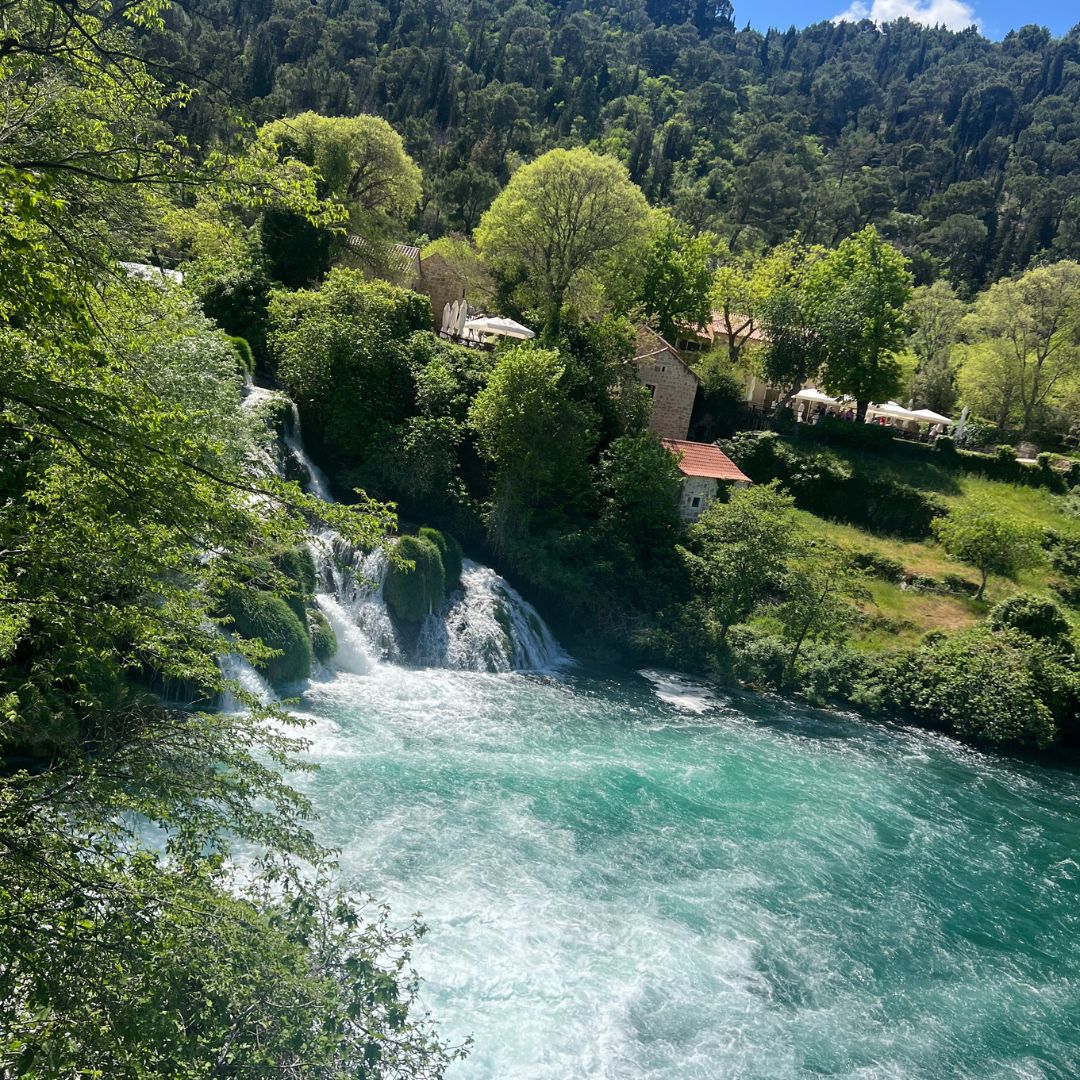
My best advice is to get stuck in as much as possible. Take part in every activity and ask as many questions as you like, they are always happy to answer them. Bring a pack of cards or come prepared with some games to play with everyone. Visit the local lake, it's about a 10 minute walk and it’s beautiful when the sun is setting. And finally go stargazing- it was amazing at night and we even got to see some shooting starts.
Megan Cook, BSc Zoology