
Investigating Amyloid Fibrils and Alzheimer’s Disease During My MSc Research Project
As part of the six-month research project within the MSc Molecular Cell Biology programme at Queen Mary University of London, Ceyda joined Professor John Viles’ research group to investigate the stability of protein structures associated with Alzheimer’s disease. The project gave Ceyda the opportunity to explore an area of science that has interested her for several years while developing her skills as an independent researcher.
/filters:format(webp)/prod01/channel_120/school-of-biological-and-behavioural-sciences/media/sbbs/images/news/Ceyda-images.jpg)
For my MSc project, I investigated how stable these protein aggregates are under different chemical conditions. These aggregates, known as amyloid fibrils, accumulate in the brains of people with Alzheimer’s disease and are considered one of the disease’s defining features. Although they are often regarded as highly stable structures, there is still much to learn about how they respond to changes in their environment and whether they can be disrupted under certain conditions.
To explore these questions, I exposed the protein aggregates to a range of chemical conditions and used several complementary laboratory techniques to assess changes in their stability and structure. By combining different experimental approaches, I was able to investigate how the proteins responded to these conditions and gain a better understanding of the factors that influence their behaviour. 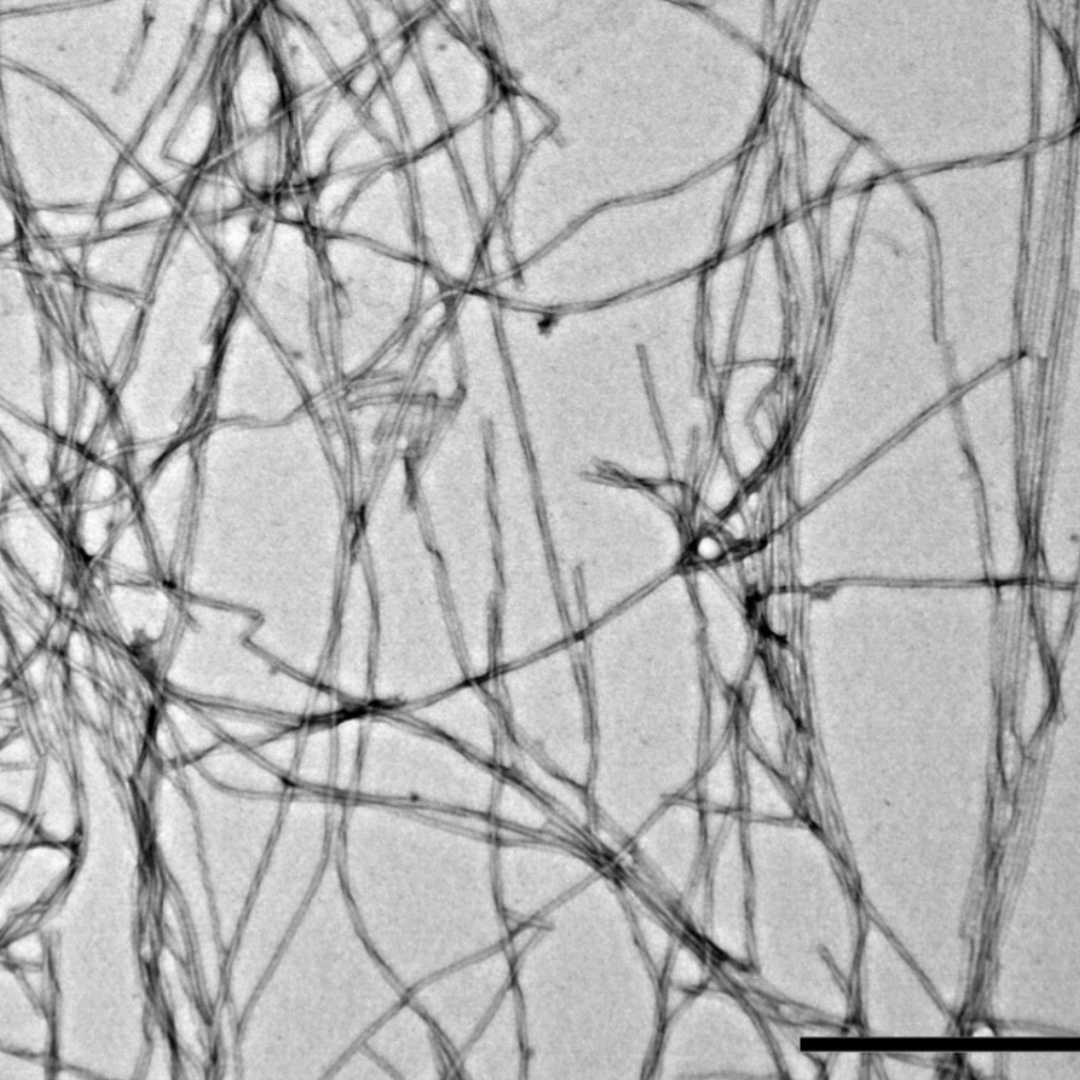
One aspect of the project that I particularly enjoyed was applying skills and knowledge I gained throughout the MSc Molecular Cell Biology programme to a real research question. Practical modules such as Advanced Biochemistry Research Methods and Advanced Cell Biology Research Methods provided hands-on laboratory experience while also developing my skills in data analysis and interpretation. In addition, the Molecular Cell Biology Literature Review module strengthened my ability to critically evaluate scientific papers. Bringing together laboratory techniques, data analysis and scientific literature helped me approach the project with greater confidence and a deeper understanding of the research process.
Throughout the project, I was fortunate to receive support not only from Professor Viles but also from Dr Anum Khursheed, whose day-to-day guidance was invaluable. From troubleshooting experiments to discussing results and refining experimental approaches, she helped me develop both practical laboratory skills and confidence in interpreting complex datasets. Working closely with experienced researchers gave me a much deeper understanding of how scientific research is conducted beyond what can be learned in the classroom. .jpg)
Beyond the scientific findings, this project has strengthened my experimental, analytical and problem-solving skills. It has also reinforced my ambition to pursue a research career in neurodegenerative diseases. Alzheimer’s disease has had a personal impact on my family, which is one of the reasons I became interested in this field. Having the opportunity to contribute to research that aims to improve our understanding of the disease has therefore been particularly meaningful. My time at Queen Mary has not only allowed me to develop as a scientist but has also confirmed my desire to continue working towards a better understanding of neurodegenerative disorders in the future.
Ceyda Kilic - MSc Molecular Cell Biology
MSc Molecular Cell Biology